Loading...
Serving San Rafael, CA and surrounding areas(628) 234-2248
San Rafael Concrete serves Mill Valley, CA with stamped concrete services, patio construction, and concrete driveway building on the hillside and canyon lots throughout the 94941 ZIP code. Every project accounts for steep access, redwood-canopy moisture, and the specific soil conditions that define this part of Marin. We have completed over 400 local jobs since 2020. Call or submit a request and hear back within one business day.
Mill Valley is a small city of about 14,000 residents tucked into the redwood canyons on the eastern slopes of Mount Tamalpais, roughly 14 miles north of San Francisco via the Golden Gate Bridge. The city proper occupies a compact downtown core around Lytton Square, surrounded by narrow canyon neighborhoods where second-growth coastal redwoods define the character of nearly every street. The 94941 ZIP code also covers adjacent unincorporated communities including Homestead Valley, Tamalpais Valley, and Strawberry — areas with their own mix of post-war ranch homes and hillside cottages.
The built environment here is shaped by the terrain. Streets follow canyon corridors rather than a grid. Driveways run at grades that would be unusual elsewhere. Many homes sit on lots where direct access for a ready-mix truck is impossible without a pump, and redwood root systems complicate sub-base work in ways that do not come up on flat suburban sites. Mature neighborhoods like Blithedale and Cascade Canyon still have original mid-century driveways and patios that have reached the end of their useful life.
We also serve nearby Corte Madera and other southern Marin communities on the same scheduling run, which makes coordinating work on either side of Highway 101 straightforward for homeowners in this part of the county.
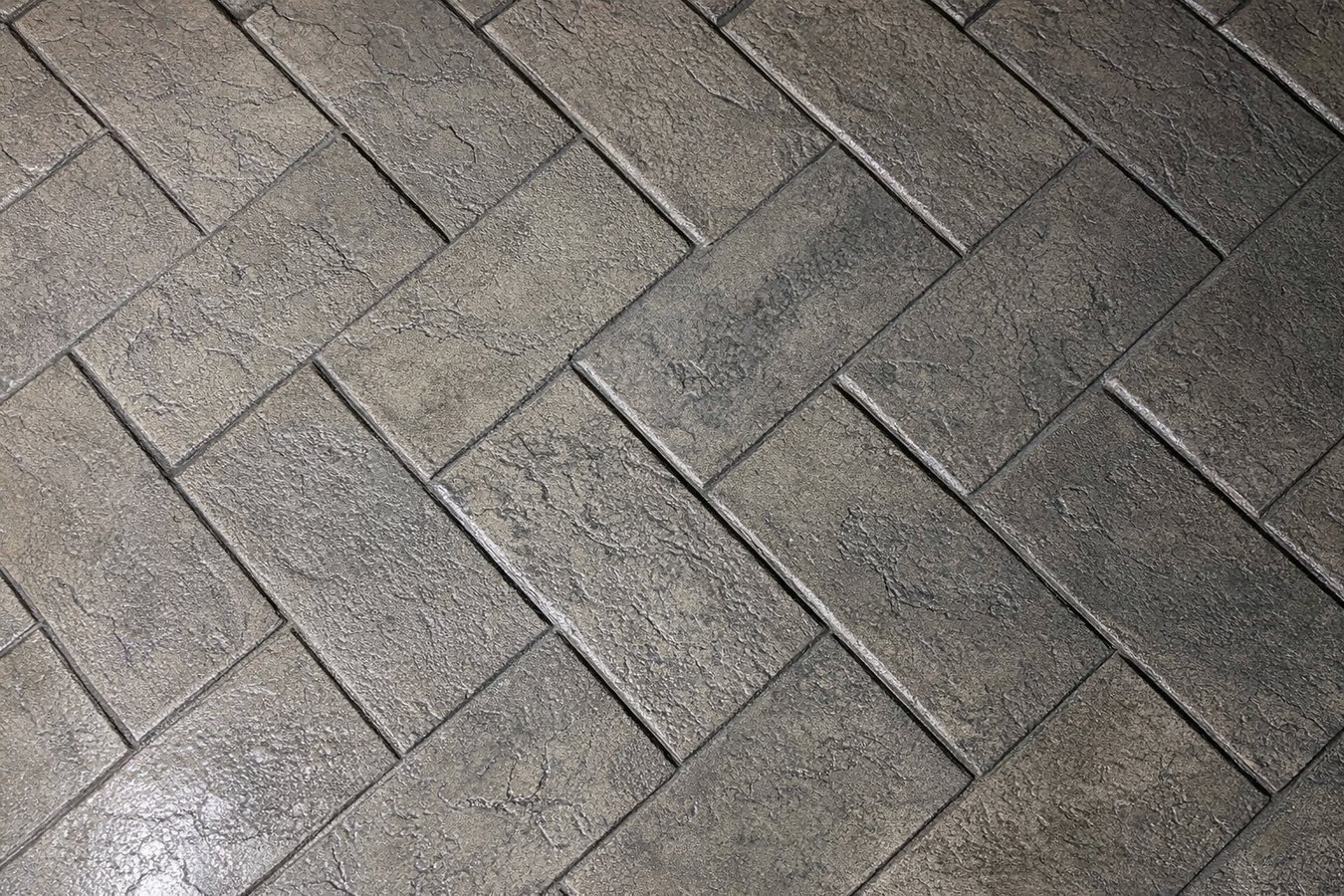
Mill Valley properties command high values, and a stamped patio or driveway in a slate or flagstone pattern holds up better than plain flatwork both visually and under resale scrutiny. We time every pour around canyon microclimate conditions — shade, fog, and moisture shift the stamping window compared to open Bay Area sites — and we use seal systems matched to Mill Valley's wet winters and cool summers.
We serve Corte Madera on the same crews and schedules as Mill Valley. Homeowners in both cities who need concrete work on adjacent properties or rental units can coordinate a single site visit and estimate covering both locations.
Outdoor living space matters in Mill Valley, but wood decks in the shady, damp canyon neighborhoods rot faster than they do in sunnier Marin towns. A concrete patio built with proper drainage does not absorb moisture, does not require annual sealing, and will not deteriorate from the prolonged fog exposure that shortens the life of wood-based surfaces in Blithedale and Cascade Canyon.
Mill Valley driveways are among the most challenging in Marin. Steep grades, tight canyon access, and mature tree root systems all affect how a driveway is formed, reinforced, and poured. We build in traction texture on inclined surfaces and position control joints to manage cracking on sloped slabs, which behave differently than flat work under thermal expansion.
Many hillside properties in Mill Valley use retaining walls to carve usable flat space from steeply sloped lots. Walls on canyon-adjacent properties need drainage detailing that handles the soil saturation that builds up during a Marin winter, and poured concrete holds up under that hydrostatic load better than stacked block on steeper grades.
Stepped entries are common in Mill Valley where homes sit above street level on hillside lots. Poured concrete steps set to a consistent rise-and-run ratio are safer than the original brick or railroad-tie versions on many older properties, and they satisfy the California Building Code requirements that apply to any entry accessible to the public or guests.
The canyon geography that makes Mill Valley distinctive also makes concrete work here more demanding than in flatter Marin communities. Streets follow terrain rather than a grid, which means truck access for ready-mix deliveries is limited or impossible on many residential lots. Pumping concrete is not unusual in neighborhoods like Cascade Canyon and upper Blithedale — it is often the only way to pour a properly mixed batch without extending the slab with water additions that weaken the finished surface.
The coastal redwood microclimate introduces a second set of variables. Canyon neighborhoods in Mill Valley stay noticeably cooler and wetter than the bay-facing flatlands near Richardson Bay, with persistent fog that can extend curing time and affect the stamping window. Contractors who work primarily on flat Bay Area sites may not account for how quickly surface moisture changes in a shaded canyon versus an exposed south-facing yard — the timing decisions that determine whether a stamped pattern comes out clean or muddy.
The city's housing stock adds a third dimension. Mill Valley grew largely along the old Tamalpais and Muir Woods Railway corridors, with homes packed into canyon-following streets rather than subdivisions. A significant share of the residential concrete on those streets was poured in the 1950s through 1970s. That generation of slabs is now cracking, settling, and in many cases holding water against foundations — exactly the conditions that turn a patio replacement into a foundation-drainage conversation.
We pull permits through the City of Mill Valley Community Development Department and have direct experience with the building inspection process for hillside flatwork, including the pre-pour inspections that apply when subgrade conditions or access are flagged during plan review.
Miller Avenue is the main commercial and residential spine through town, connecting the Lytton Square downtown area to Tam Junction at the south end near Highway 1. Most of our Mill Valley work runs off the side streets and canyon roads that branch uphill from Miller — Molino Avenue, East Blithedale, Lovell Avenue, and the cluster of streets above Old Mill Park, where the city's founding mill site and the Blithedale Canyon trail network meet. Knowing which of these streets permit through-truck traffic and which require pump staging is part of bidding a job here correctly.
We also serve homeowners in Tiburon and Larkspur, two neighboring communities we reach on the same scheduling runs as Mill Valley. That shared coverage means faster response times for anyone in the southern Marin corridor.
Reach us by phone or through the contact form. We respond within one business day, confirm the scope, and set up a site visit. You do not need to be home for the initial call.
We visit the property, assess access conditions and subgrade, and measure the work area. The written estimate is itemized and free. For hillside lots, we note whether pump staging is needed and include that cost upfront — no surprises on pour day.
We handle permit applications with the City of Mill Valley, excavate and compact the base, set forms, and schedule the pour for a dry weather window. Canyon lots often require an early morning pour to take advantage of cooler temperatures before afternoon fog burns off.
After the slab cures — seven days before light foot traffic, 28 days before vehicles — we walk the finished work with you and close out any open permits. The project is not complete until the work meets your expectations and the permit is signed off.
We work across all Mill Valley neighborhoods — canyon roads, hillside driveways, Tam Valley, Strawberry, and the downtown streets near Lytton Square. Fill out the form or call directly. We respond within one business day with a no-obligation quote specific to your lot and access conditions.
(628) 234-2248New driveway pours and full replacements built to handle daily traffic and Bay Area weather.
Learn moreCustom patio slabs designed for outdoor living, entertaining, and lasting curb appeal.
Learn moreDecorative stamped finishes that replicate stone, brick, or tile at a fraction of the cost.
Learn moreADA-compliant sidewalks and walkways poured level, smooth, and built to code.
Learn moreDurable garage floor slabs with optional coatings that resist oil, stains, and wear.
Learn moreStained, polished, and textured finishes that turn plain concrete into a design feature.
Learn morePoured concrete retaining walls that hold slopes, protect landscaping, and last for decades.
Learn moreInterior and exterior slab floors installed flat, reinforced, and ready for finish materials.
Learn moreSlip-resistant pool deck surfaces that stay cool underfoot and look great around any pool.
Learn moreSafe, code-compliant entry steps and stairways built from solid poured concrete.
Learn moreResidential and commercial slab foundations poured with proper reinforcement and drainage.
Learn moreFull foundation installs including footings, anchor bolts, and waterproofing details.
Learn moreCommercial parking lot paving with proper grading, drainage, and long-term durability.
Learn moreStructural footings for fences, posts, retaining walls, and new construction additions.
Learn moreFoundation leveling and raising to correct settlement, uneven floors, and water intrusion.
Learn morePrecision concrete cutting for expansion joints, utility access, and demolition prep.
Learn moreServing these cities and communities.
Whether you have a canyon-access driveway, a hillside patio, or a retaining wall on a steep lot, we handle permits, subgrade prep, pump coordination, and final inspection. Call or send a message to get your free estimate.