Loading...
Serving San Rafael, CA and surrounding areas. (628) 234-2248
Serving San Rafael, CA and surrounding areas. (628) 234-2248
A muddy side yard or crumbling old slab is not a backyard, it is a maintenance problem. San Rafael Concrete builds permanent, properly drained concrete patios that hold up through Marin winters and look good doing it.
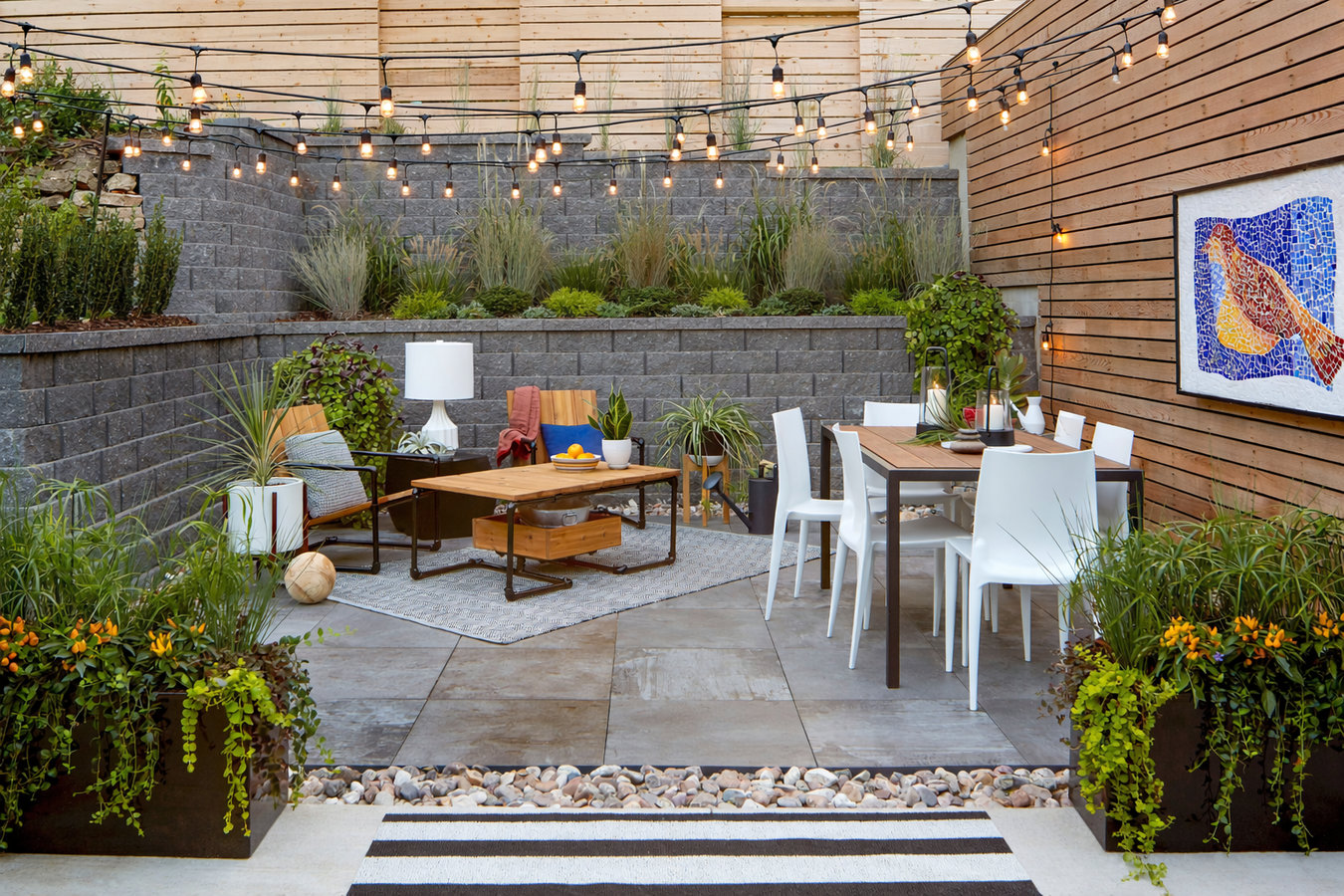
Concrete patio construction in San Rafael involves excavating the area, compacting a stable base, pouring and finishing a concrete slab, and handling the required city permit. Most residential patios take one to three days of active work, and the surface is typically walkable within 24 to 48 hours of the pour.
A properly built patio slopes slightly away from your home, roughly one-quarter inch per foot, so rainwater drains toward the yard rather than pooling against your foundation. In San Rafael's wet winters, that detail is not cosmetic. San Rafael Concrete builds drainage into every slab from the start. For homeowners who also want a patterned surface finish, our stamped concrete services can be applied to the same pour for a stone or brick look.
Cracks wider than a pencil, sections that have shifted relative to each other, or edges that crumble under light pressure indicate the slab has reached the end of its useful life. In San Rafael, clay soils that expand and contract with seasonal rain cycles are a common cause. Patching individual cracks rarely solves the underlying movement.
Standing water after a rainstorm means the surface either lacks the right drainage slope or the ground beneath has shifted. In San Rafael's wet winters, water sitting against your home's foundation is a serious long-term concern. A new patio with proper slope built in directs water away from your home rather than toward it.
Many San Rafael homes, especially those built in the 1950s through 1970s, have side yards or back areas that were never finished. If the space is muddy in winter and dusty in summer, a concrete patio turns it into somewhere you actually want to spend time. This is one of the most common reasons local homeowners call us.
Wood decks in the Bay Area's damp winters need regular sealing, staining, and board replacement. If you are spending money on deck maintenance every year and the structure is still deteriorating, replacing it with a concrete patio is often more cost-effective over a ten-year horizon. Concrete does not rot and does not need annual treatment.
Every patio project begins with excavation to the right depth, compaction of the subgrade, and installation of a crushed gravel base layer. On San Rafael's clay-heavy soils this step is especially important, because a base that is not compacted properly will allow the slab to shift and crack as the ground moves through wet and dry seasons. For larger slabs or those expected to carry significant weight, steel rebar reinforcement goes in before the pour.
Finish options run from a practical broom texture to exposed aggregate and fully stamped concrete patterns. Stamped finishes can mimic stone, brick, or tile at a fraction of the cost of actual masonry, and they integrate well with an existing landscape design. For homeowners who want a connected outdoor space, a patio can be designed to flow directly into a concrete pool deck using the same surface treatment so the areas read as one space rather than two separate projects.
Before any project begins in San Rafael, we submit the required permit to the City of San Rafael Building Division. After the pour, the crew applies a curing compound or covering to protect the surface from drying too fast in warm, breezy weather, then returns to remove forms and complete cleanup. A city inspector reviews the finished work before we consider the project closed.
Standard slip-resistant texture. Practical, easy to maintain, and suitable for most outdoor uses.
The top layer of cement is washed away to reveal the stones in the mix. Textured, natural-looking, and durable.
Patterns impressed into the wet surface. Replicates stone, brick, or tile at lower cost and maintenance.
San Rafael's Mediterranean climate, dry summers and wet winters, creates a clear seasonal window for outdoor concrete work. The ideal time to pour a patio here is May through October, when there is minimal risk of rain during the critical first 24 to 48 hours after the pour. Booking in late winter or spring gives you a better chance of landing a slot before contractor schedules fill for the summer.
Parts of San Rafael and the surrounding Marin County area sit on expansive clay soils, and the Marin Municipal Water District has water conservation requirements that affect how contractors manage site water and curing on local jobs. We are familiar with both, which means you are not responsible for tracking either. The Marin Municipal Water District publishes current conservation guidelines if you want to review them directly.
We serve homeowners throughout the region, including Novato, Santa Rosa, and surrounding communities. Every project follows the same permit and base preparation standards regardless of city.
Submit the form or call directly and someone from our office follows up within 1 business day. We ask a few basic questions and schedule a free on-site visit at a time that works for you.
We visit your property, assess soil conditions, measure the area, and provide a written estimate covering excavation, base prep, pour, finish, and cleanup. No surprises on the final invoice.
We handle the City of San Rafael permit application before any digging begins. Once approved, the crew excavates, compacts the base, frames the edges, and pours the slab.
After the pour we protect the surface during curing and coordinate the final city inspection. Once signed off, the patio is yours. You can walk on it within 48 hours; furniture can go out after about a week.
We respond within 1 business day. No obligation after the estimate visit. After you submit, someone from our office will call to schedule a free on-site assessment and written price.
(628) 234-2248San Rafael requires a building permit for most new patios. We apply before work begins and coordinate the final inspector visit. Your finished patio is documented, legal, and clear of complications when you sell.
The most common cause of early patio failure in this area is insufficient base preparation. We excavate to depth and compact a gravel layer specifically sized for local soil conditions, so the slab stays level through seasonal ground movement.
We hold an active California C-8 concrete contractor license through the CSLB. Every project is covered. You can verify the license yourself on the CSLB website before signing anything.
Every patio we build drains away from the home's foundation. In San Rafael, where several inches of rain fall between November and April, that is not optional. We confirm the drainage direction before and after the pour.
For background on concrete construction standards, the American Concrete Institute publishes homeowner-facing guidance on what quality concrete work looks like. It is worth a read before you start collecting estimates.
A pool deck and patio can share the same finish and slope design, creating a seamless outdoor living area around your pool.
Learn moreAdd stone or brick patterns to your patio slab for a more finished look without the cost or maintenance of real masonry.
Learn moreSummer booking slots fill fast. Reach out now to secure a project date before the dry season rush begins.