Loading...
Serving San Rafael, CA and surrounding areas. (628) 234-2248
Serving San Rafael, CA and surrounding areas. (628) 234-2248
A shifting deck, leaning fence, or cracking addition often starts with a footing that was undersized or built for the wrong soil. San Rafael Concrete installs reinforced footings built for Marin County's seismic zone, clay soils, and permit requirements.
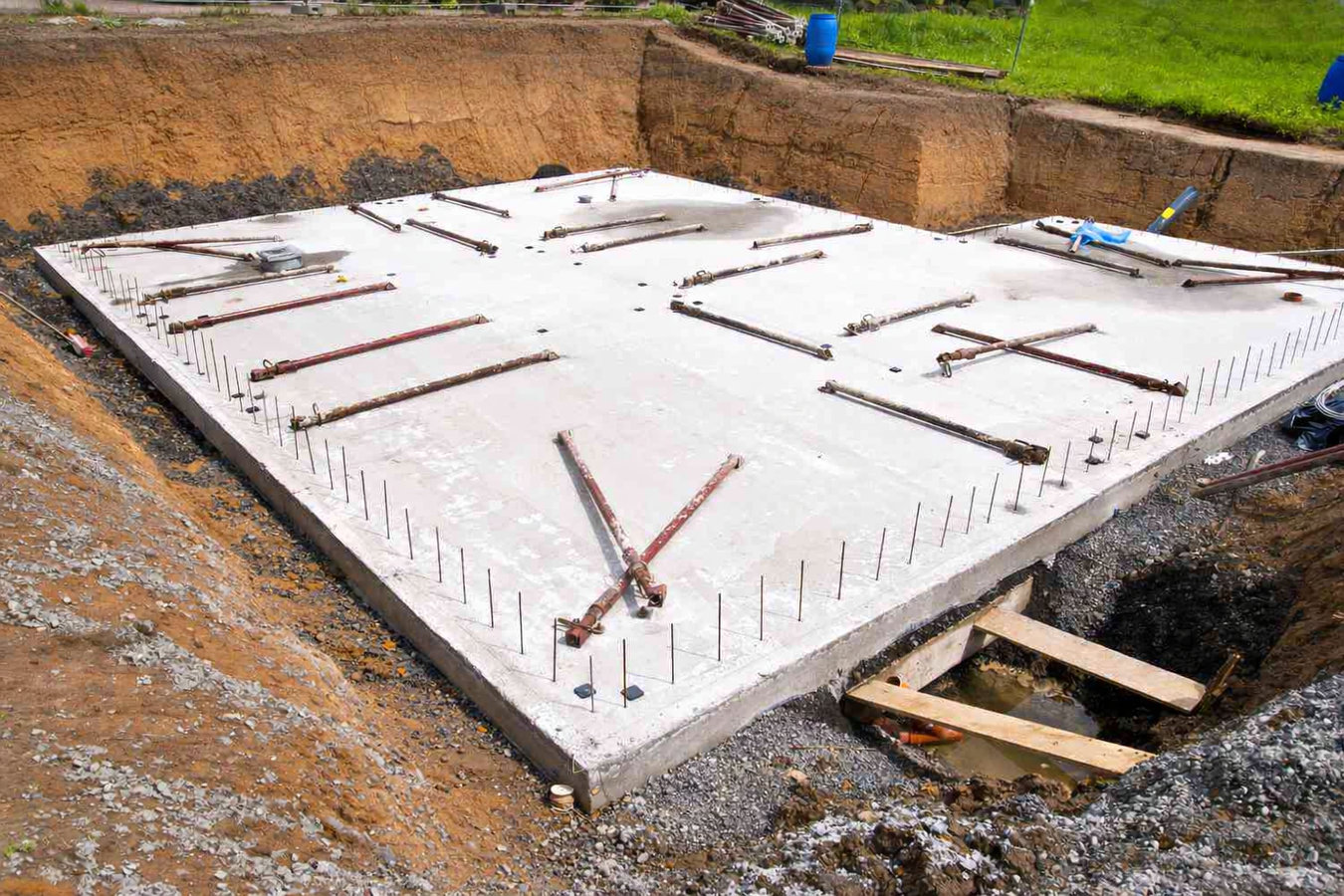
Concrete footings in San Rafael involve excavating to the required depth, setting temporary forms, placing steel reinforcing bars, obtaining the city permit and pre-pour inspection, and pouring the concrete. Most residential footing jobs take one to three days of active work and require a minimum one-week cure before the next phase of construction can begin.
Footings are the starting point for almost any structural addition to a San Rafael property: decks, room additions, retaining walls, accessory dwelling units, and fence posts all depend on a correctly sized and reinforced footing below them. Getting this step right determines whether the structure above stays level and stable through decades of wet winters and seasonal soil movement.
For projects that require a continuous concrete slab rather than individual footings, our slab foundation building service covers that scope. Larger structural work involving full foundation systems is handled through our foundation installation service.
A gap opening between your deck and the exterior wall, or a surface that feels like it tilts more than before, often means the footing below has shifted or settled. In San Rafael's older neighborhoods, decks built decades ago may have been set on shallow footings not designed for local soil movement. This kind of shift can become a safety hazard quickly.
Cracks that run diagonally from corners, or cracks that are wider at one end than the other, often signal that the footing beneath has moved unevenly. San Rafael's clay-heavy flatland soils swell and shrink with the wet-dry cycle, and a footing that was not designed for that movement will show it over time through the structure above.
San Rafael's rainy winters saturate the soil, and posts set in shallow concrete can heave or lean as the ground shifts. If a fence post that was plumb last spring is now visibly off by several inches, the footing at its base has likely failed. Resetting it with a properly sized footing keeps it stable through future wet seasons.
Home inspectors in Marin County frequently flag older homes, particularly those built before the 1980s, for footings that do not meet current standards. If your inspection report mentions foundation or footing concerns, that is a direct signal to bring in a concrete contractor for an assessment before the problem affects a sale or gets worse.
Every footing project starts with excavating to the depth required by the city permit and soil conditions. In San Rafael, that typically means 12 to 18 inches for most residential projects, though hillside lots and unusual soil conditions can push that deeper. After the trench or hole is dug, temporary wooden forms are set to shape the footing, and steel reinforcing bars are placed inside. That steel is what connects the footing to the structure above it and lets both move together rather than apart during an earthquake.
The pre-pour inspection is one of the most important steps in the process. The City of San Rafael's building department sends an inspector to check the depth, width, and reinforcing before any concrete is poured. This inspection protects you because it creates an official record that the work was done correctly. Once the inspection passes, we pour the concrete, smooth and level the top, and leave it to cure. The forms come off after the concrete has hardened and the work area is cleaned up.
For larger projects that involve full foundation systems rather than individual footings, our foundation installation service handles that scope. The American Concrete Institute sets the national standards that govern how footings are designed and built, and we work to those standards on every project.
For decks, pergolas, and fences where individual footings support each structural post rather than a continuous base.
For room additions, ADUs, and retaining walls that need a connected base running the full length of the structure.
For hillside properties in San Rafael where grade changes require a staircase-shaped base to keep each section level.
San Rafael sits in one of the most seismically active regions in the country, close to both the Hayward and Rogers Creek faults. California's building code requires footings here to be reinforced and anchored to the structure above in ways specifically designed to absorb earthquake movement. This is not a formality, it is the difference between a structure that survives shaking and one that does not. Every footing we install meets those requirements, and the city inspector verifies it before any concrete is poured.
Soil conditions vary considerably across San Rafael. Hillside neighborhoods above downtown and in the Terra Linda area tend to have firmer ground, while flatland areas near the Canal sit on softer, clay-heavy soils that swell and shrink with the wet-dry cycle. That movement is one of the main reasons older homes in this city develop footing problems, particularly those built before expansive-soil engineering was standard practice. When we assess a site, soil type is one of the first things we account for in our design.
We serve homeowners throughout San Rafael and regularly work in neighboring communities including Novato, Berkeley, and Concord. Each area has its own permit process and soil profile, and we carry that knowledge into every project.
Contact us by phone or form and we follow up within 1 business day. We ask what you are building and schedule a free site visit. Some projects get a rough ballpark over the phone; most require us to see the lot first.
We walk the property, assess soil type and slope, and locate underground utilities before quoting. You receive a written estimate that separates labor, materials, and permit fees. No single-number quotes.
We apply for the City of San Rafael building permit before any digging starts. Once approved, we excavate the trenches or holes, set forms, and place steel reinforcing. The city inspector then checks the work before any concrete is poured.
After the pre-pour inspection passes, we pour the concrete and smooth the top surface. Forms come off after hardening, and the area is cleaned up. We give you a clear timeline for when the next phase of your project can start.
We respond within 1 business day. Free on-site estimate with no obligation. We handle all City of San Rafael permits from start to finish.
(628) 234-2248San Rafael is in a high seismic hazard area, and California's building code requires footings here to include specific steel reinforcing and anchor connections. We build every footing to those requirements, and the city inspector confirms it before concrete goes in. You are not left guessing whether your structure is properly tied down.
San Rafael Concrete serves 12 cities across the Bay Area, but we know the City of San Rafael's building department and its permit timelines from regular work in this city. That familiarity means your permit moves through the process without surprises and your inspector visit gets scheduled without delays.
California requires any contractor doing work over $500 to hold a valid state license. You can confirm ours on the California Contractors State License Board website before you ever sign anything. That license also means we carry the liability coverage that protects your property during construction.
A significant share of San Rafael's residential neighborhoods sit on sloped terrain, and stepped footings on a hillside lot take more skill and time than a standard flat-lot job. We have built footings on steep lots throughout the Dominican area and Terra Linda, and that local experience shows up in the accuracy of our estimates and the quality of the finished work.
Every footing we pour in San Rafael gets the same steel reinforcing, the same permit process, and the same pre-pour inspection regardless of project size. That consistent process is what lets us stand behind every job, whether it is a single deck post or a full continuous footing for an accessory dwelling unit.
For larger-scale structural work where full foundation systems, not just isolated footings, are required to support a new build or major addition.
Learn moreWhen your project calls for a continuous concrete slab rather than individual footings, slab foundation work provides a monolithic base for the entire structure.
Learn moreDry-season scheduling fills quickly. Call or submit a request now to lock in your start date before work backs up, and get a written estimate at no cost.