Loading...
Serving San Rafael, CA and surrounding areas. (628) 234-2248
Serving San Rafael, CA and surrounding areas. (628) 234-2248
A crumbling or unpaved lot creates drainage problems, liability risk, and a poor first impression. San Rafael Concrete builds properly drained, permitted concrete lots that handle Marin County winters without flooding or cracking.
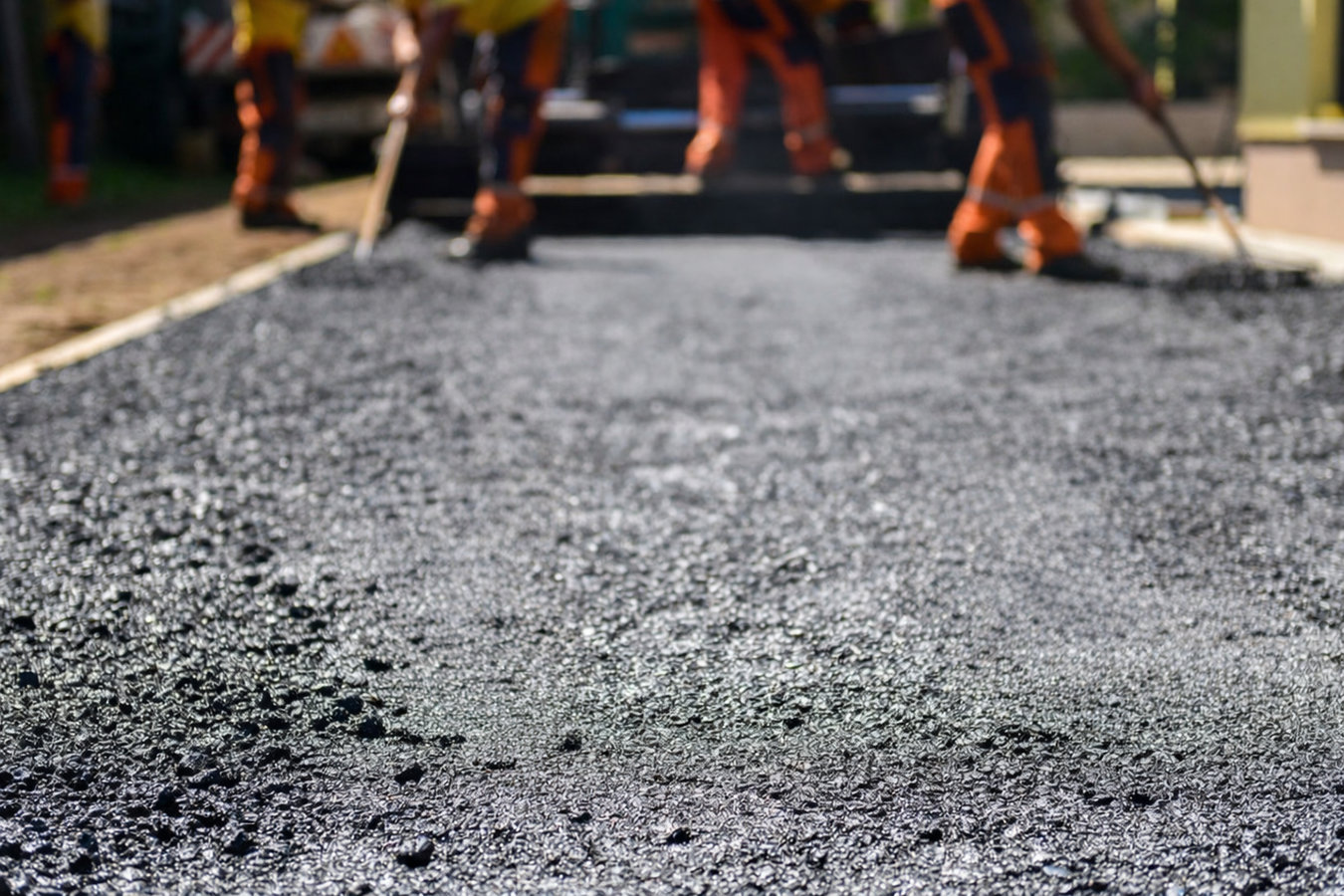
Concrete parking lot building in San Rafael covers site excavation, gravel base compaction, concrete pour and finishing, control joint placement, and city permit coordination. Most residential and small commercial lots take two to five days of active work and require a seven-day curing period before foot traffic and a full 28 days before regular vehicle use.
Whether you are replacing a failed asphalt surface, converting a dirt or gravel area to a paved lot, or adding parking to a new structure, getting the base and drainage right from the start is what determines how long the lot holds up. San Rafael Concrete handles every step in San Rafael from permit application through final city inspection.
Homeowners and property managers who need work on adjacent driveways or access lanes often combine that scope with our concrete driveway building service to handle everything in a single project.
If your parking area collects puddles after a typical San Rafael winter rain and stays wet for hours, the surface is not shedding water the way it should. Over time, standing water seeps into the base and weakens whatever is underneath. A properly graded concrete lot with controlled drainage moves water off the surface and away from the property.
Small hairline cracks are normal on any older surface, but cracks that are widening or extending over time mean the base beneath is shifting or failing. In San Rafael's clay-heavy soils, seasonal swelling and shrinking drive this kind of movement year after year. Once cracks reach this stage, patching them is a short-term fix at best.
Dips, humps, or areas where the surface has settled lower than surrounding ground indicate base failure beneath the slab. Uneven surfaces are a trip hazard and can damage vehicle tires over time. This level of deterioration calls for full removal and replacement, not surface repair.
Building a new garage, accessory dwelling unit, or storage structure in San Rafael typically requires a permitted paved surface to meet city requirements. Gravel or compacted dirt does not meet the standard for most permitted projects. Starting with a well-built concrete lot means you will not have to redo the work in a few years.
Every lot project starts with full demolition of any existing surface and haul-off of the debris. The crew then excavates to the correct depth, brings in crushed gravel, and compacts it in layers to create a stable base. That base work is what separates a lot that stays flat for 30 years from one that cracks within the first few rainy seasons. Only once the base is prepared do we set forms, pour the concrete, and finish the surface.
Control joints are cut into the finished surface at regular intervals to direct any future cracking along planned lines rather than across the middle of the slab. Drainage slope is built into every lot we pour, typically a one to two percent grade toward a designated drain, bioswale edge, or landscaped runoff area. For properties that also need utility trenches cut through an existing slab or finished surface, our concrete cutting service handles that precision work separately.
Finish options range from a standard broom texture for traction to a smoother brush finish for commercial properties where appearance matters. We apply for the required City of San Rafael building permit before any work begins and coordinate the city inspection at the end. The Federal Highway Administration provides guidance on concrete pavement longevity; a well-built lot in a frost-free climate like San Rafael's can last 30 to 50 years with minimal maintenance.
For property owners converting unpaved areas or replacing failed asphalt on residential or small commercial sites.
For properties that need additional parking capacity added to an existing paved surface with matched drainage and joints.
For homeowners building new structures in San Rafael who need a code-compliant paved surface as part of their permit package.
San Rafael receives most of its annual rainfall between November and April, and a parking surface that is not graded and drained correctly turns into a standing-water problem every single winter. Marin County's stormwater rules also require new paved surfaces to manage runoff in ways that protect San Rafael Creek and the Bay, which means drainage is not just a convenience, it is a permit requirement. A contractor who designs the lot without understanding these rules can produce a plan that fails its final inspection.
Much of the flatland in San Rafael sits on clay-heavy soils that expand with rain and shrink in summer heat. That seasonal movement is one of the main reasons older asphalt lots in this area develop waves and sinkholes within a decade or two. Building on a properly compacted gravel base prevents the concrete above from flexing with the soil. In hillside neighborhoods, the added complexity of slope and drainage requires extra planning, but the same principle applies.
We work regularly throughout San Rafael and serve neighboring communities including Novato, Vallejo, and Petaluma. Each city has its own permit process, and we handle all of it.
Reach out by phone or contact form and someone from our office follows up within 1 business day. We ask basic questions about the size and current condition of your parking area and schedule a free site visit.
We visit your San Rafael property, measure the area, check drainage conditions, and assess whether any underground utilities need to be located before digging. You receive a written estimate that covers demolition, base prep, pour, permits, and cleanup.
Once you accept the estimate, we apply for the City of San Rafael building permit on your behalf. Plan for two to four weeks for permit review. We notify you of the start date and coordinate with you on temporary parking arrangements.
The crew excavates, compacts the base, and pours the slab in a single day. We then protect the surface during the curing period and schedule the city's final inspection. Once the inspector signs off, the lot is ready for use.
We respond within 1 business day. Free on-site estimate with no obligation. We handle all permits with the City of San Rafael.
(628) 234-2248The Marin County Stormwater Pollution Prevention Program adds a design layer to every new paved surface, and a contractor who ignores it will build you a lot that fails inspection. We factor drainage compliance into the design before any work starts, so the lot passes the first time.
California requires any contractor doing work over $500 to hold a valid state license. You can verify our license number on the California Contractors State License Board website in under a minute. This also confirms we carry the liability insurance that protects your property during construction.
San Rafael Concrete works throughout Marin, Sonoma, Napa, and Solano counties. That range means we understand how permit requirements, soil types, and drainage codes vary across the region, and we apply that knowledge to every job in San Rafael.
Marin County's warm, dry summers are actually ideal for concrete. Without a freeze-thaw cycle, a well-built concrete lot here can last 30 to 50 years. We build to that standard on every project, not just the large commercial ones.
Every parking lot project we take on in San Rafael gets the same preparation, the same attention to drainage, and the same permit process whether it is 500 square feet or 5,000. That consistency is what keeps work holding up season after season in Marin County's demanding climate.
If your project includes private vehicle access lanes or a residential pad alongside the lot, driveway installation covers that scope.
Learn moreNeed to cut expansion joints, modify an existing slab, or create a utility trench in a finished lot? Concrete cutting handles the precision work.
Learn moreContractor availability fills fast from April through October. Call or submit a request now to lock in your start date and get a written estimate at no cost.