Loading...
Serving San Rafael, CA and surrounding areas. (628) 234-2248
Serving San Rafael, CA and surrounding areas. (628) 234-2248
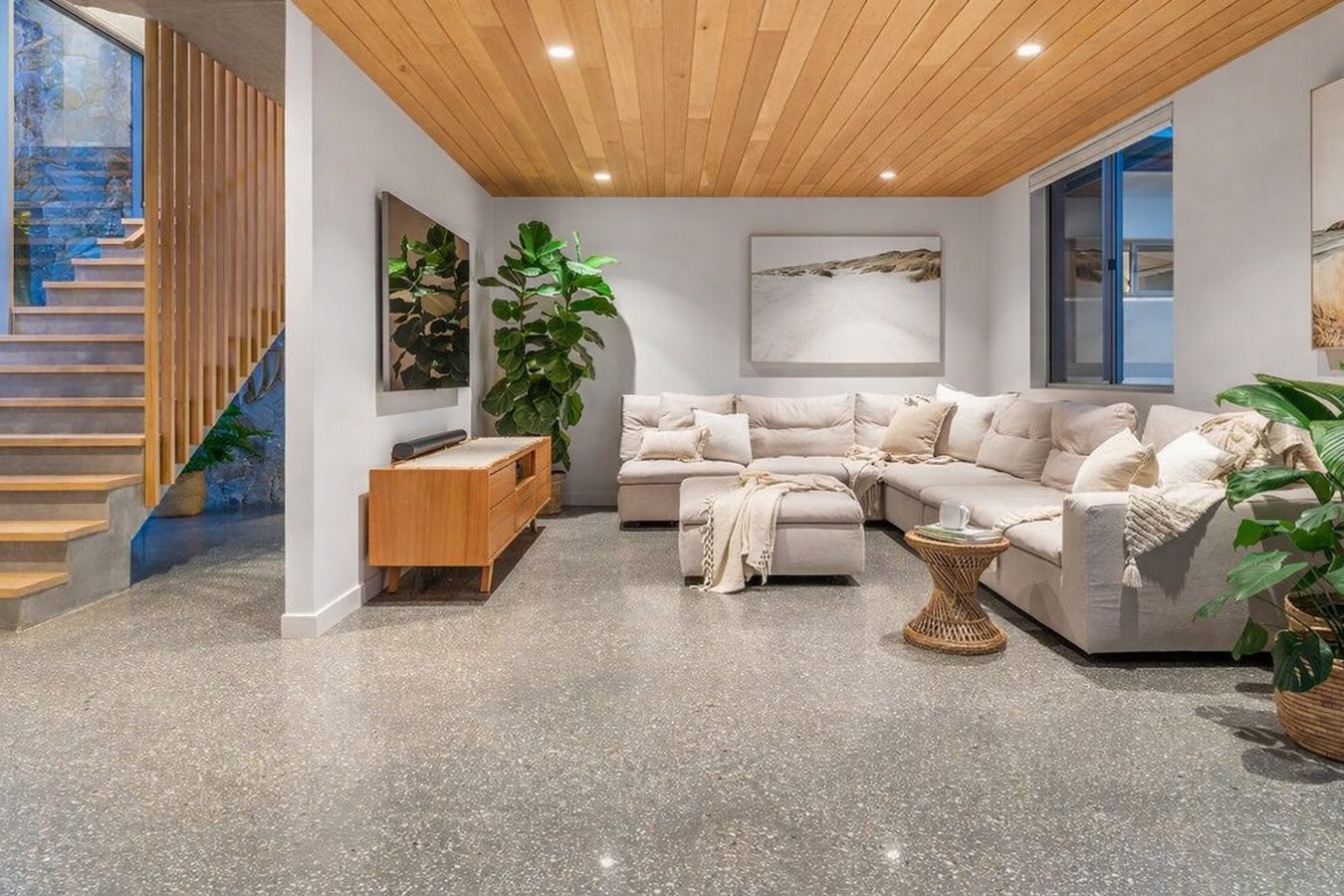
San Rafael Concrete serves Berkeley, CA with concrete floor installation, retaining walls, driveways, and steps. We are a licensed California contractor familiar with Berkeley's pre-1950 housing stock, steep hillside lots, and the permit process at the City of Berkeley Building and Safety Division. We reply within 1 business day. Call or submit the form for a free written estimate.
More than half of Berkeley's housing units were built before 1950, and a large share of those homes have original concrete floors that were poured thin, without moisture barriers, and before modern reinforcement standards. Berkeley homeowners converting garages, finishing basements, or replacing failing original slabs in the Canal-adjacent lowlands need a contractor who understands what older construction typically reveals once the demo begins. We remove existing material, test for moisture, prepare the subbase to current standards, and pour to the correct thickness and finish for your intended use.
The Berkeley Hills rise sharply from the flatlands, and many homes there sit on terraced lots with existing retaining walls that are cracking or beginning to lean after decades of wet-season soil pressure. The combination of saturated hillside soil in winter and the seismic activity near the Hayward Fault means retaining walls here need deeper footings and better drainage than equivalent walls on flat, stable ground. We engineer each wall for the specific site, manage the city permit process, and install drainage behind the wall to prevent pressure buildup.
Berkeley driveways range from flat aprons in the flatlands near West Berkeley and South Berkeley to steep, narrow cuts in the Berkeley Hills where the grade and access both require careful planning. Original driveways on pre-1950 homes are often cracked, heaved, or root-damaged beyond practical repair. Hillside driveways also need drainage channels that flat-lot replacements do not. We assess the specific terrain and soil conditions at your address before quoting and design the drainage to keep water off the surface and away from your foundation.
Front steps on Berkeley Craftsman bungalows and older homes throughout the Elmwood and North Berkeley neighborhoods frequently show cracked risers, spalling surfaces, and uneven treads from decades of wet-dry cycling and soil movement. These are safety hazards and a common item on home inspector reports in the Berkeley market. We remove old steps fully, prepare the base for local soil and slope conditions, and pour new reinforced concrete steps that drain correctly and sit flush against the porch without gaps.
Berkeley's mild, dry summers make backyard patios genuinely usable for six or more months of the year, and the city's Craftsman and mid-century homes often have side yards or rear areas that were never finished with hardscape. A concrete patio on a Berkeley property needs careful drainage planning, because the wet winters and, in the hills, the combination of slope and fog moisture create pooling risk if the slab is not graded correctly. We include drainage slope in every pour and handle the city permit so the work is inspected and on record.
Older Berkeley flatland neighborhoods, including South Berkeley and West Berkeley, have public sidewalks where root intrusion from large street trees and decades of soil movement have created raised or sunken sections that are both trip hazards and potential city compliance issues. Berkeley homeowners can be required to repair sidewalk frontage as a condition of other permitted work. We handle demolition, proper base preparation, the pour, and any coordination with city staff for public-frontage work on your block.
Berkeley is one of the older cities in the East Bay, and the majority of its housing was built before 1950. That means most Berkeley homes have original foundations, floors, and concrete flatwork that were installed under construction standards that predate current seismic codes, reinforcement requirements, and moisture-barrier practices. A contractor who works regularly in Berkeley knows to expect the unexpected when demo begins on a pre-war home.
The city sits adjacent to the Hayward Fault, one of the most active fault lines in California. The fault runs through the eastern edge of Berkeley, and the soils across the city range from bay mud and fill in the western flatlands to more stable bedrock in the hills, with a significant transition zone in between. Both soil types create concrete challenges: soft flatland soils compress and shift, while hillside slopes and seismic stress put lateral forces on retaining walls and foundations over time.
Berkeley's annual rainfall of around 24 inches arrives in heavy winter bursts between November and March, followed by an almost completely dry summer. That wet-dry swing causes soils to swell and contract, which stresses any slab without a properly compacted base. Marine fog rolls in from the coast regularly, keeping exterior wood surfaces damp even during the dry season, which adds moisture management considerations for any concrete work adjacent to wood-frame structures.
The City of Berkeley Building and Safety Division requires permits for most concrete improvements, and the city's inspection process is thorough given its seismic risk awareness. A contractor who works regularly in Berkeley navigates that process without adding unnecessary delays.
San Rafael Concrete pulls permits through the City of Berkeley Building and Safety Division for the concrete work we carry out there. Our crew has worked on homes across the city's distinct neighborhoods, from the older Craftsman bungalows in the Elmwood and North Berkeley near Solano Avenue to the steeper hillside properties above the flatlands in the Berkeley Hills, where lots back up toward Tilden Regional Park.
Berkeley is a city defined by its neighborhoods. The flatlands, including West Berkeley and South Berkeley, have a dense mix of bungalows, duplexes, and older single-family homes on smaller lots where concrete flatwork jobs often involve tight access and street trees that have been in place for 60 or 70 years. The hills, by contrast, bring steep driveways, terraced yards, and hillside fire safety considerations that the flatlands do not. The area near UC Berkeley and Telegraph Avenue sits between those two zones and includes some of the city's oldest housing near campus.
Berkeley's closest neighbor in our service area is San Rafael, our home base across the Bay. We also work regularly in Concord and Walnut Creek, which gives us a broad view of how East Bay concrete conditions differ from the Marin County hillside and coastal work we do at home. Berkeley's combination of very old housing stock, seismically active soils, and steep hillside terrain is genuinely different from most other cities in the region, and we treat it that way from the first site visit.
Call or submit the form and we will follow up within 1 business day. We ask about your project type, the age of your home, and whether the work is in the hills or flatlands, because those details shape how we approach the estimate and the site visit.
We visit your property, examine the existing concrete and soil conditions, check drainage, and give you a written, fixed-price estimate before any work begins. This is where we address cost questions directly and confirm what permits your Berkeley address will require.
We pull the required city permits, complete all demolition and subbase preparation, set forms, and pour the concrete. Most residential Berkeley projects take one to three days of active work, with city permits typically adding one to two weeks to the start of work.
After the pour, we manage the cure period and schedule the city inspection when required. We walk you through the finished work before we leave and advise on when the surface is ready for full use, including foot traffic, parking, and any landscaping around the new concrete.
We serve homeowners throughout Berkeley, from the older bungalows in the Elmwood to the steep hillside lots above Tilden Park. Free written estimates, city permits handled, reply within 1 business day.
(628) 234-2248Berkeley is a city of approximately 122,000 residents on the east shore of San Francisco Bay in Alameda County. It is one of the denser cities in the East Bay, with a high share of renter-occupied housing and a mix of property types that includes single-family homes, duplexes, apartment buildings, and converted multi-unit properties. The city is defined by its university: UC Berkeley has been its dominant institution since the 1860s, and the neighborhoods closest to campus, including the area around Telegraph Avenue, reflect that presence in their density and building stock.
The city divides roughly into two zones. The Flatlands, covering West Berkeley, South Berkeley, and the area around the Elmwood and Claremont neighborhoods, have the city's heaviest concentration of pre-1950 Craftsman bungalows and older single-family homes on smaller lots. The Berkeley Hills to the east rise sharply into wooded, steep terrain where larger homes sit on terraced lots with long driveways and retaining walls. North Berkeley, near Solano Avenue, bridges the two zones with tree-lined streets and well-preserved Craftsman architecture.
From a concrete contractor's standpoint, Berkeley's most important characteristic is the age of its housing stock. More than half of the city's homes were built before 1950, which means original concrete is frequently at or past the end of its useful life, and replacement work often uncovers subbase conditions that were never adequate by modern standards. We also serve nearby San Rafael, our home base across the Bay, where we handle a similar combination of hillside work, older housing, and permit-required concrete improvements.
Custom concrete driveways built to last, improving curb appeal and property value.
Learn moreDurable concrete patios designed for outdoor living and entertaining.
Learn moreDecorative stamped concrete that replicates natural stone, brick, or wood patterns.
Learn moreSafe, code-compliant concrete sidewalks for residential and commercial properties.
Learn moreSmooth, sealed concrete garage floors that stand up to vehicle traffic and stains.
Learn moreColored, textured, and specialty concrete finishes for distinctive surfaces.
Learn moreStructurally sound retaining walls that control erosion and manage grade changes.
Learn moreInterior and exterior concrete floor pours finished to your exact specifications.
Learn moreNon-slip concrete pool deck surfaces that are safe, attractive, and easy to maintain.
Learn moreSolid concrete steps and stoops built for safety, durability, and visual appeal.
Learn moreProperly engineered concrete slab foundations for new construction and additions.
Learn moreFull foundation installation services for homes, garages, and commercial structures.
Learn moreCommercial-grade concrete parking lots designed for heavy traffic and longevity.
Learn moreAccurately placed concrete footings that provide a stable base for any structure.
Learn moreExpert foundation raising and leveling to correct settling and structural issues.
Learn morePrecise concrete cutting for demolition, renovation, and utility access work.
Learn moreServing these cities and communities.
Call (628) 234-2248 or submit the form and we will follow up within 1 business day with a written estimate for your Berkeley project.