Loading...
Serving San Rafael, CA and surrounding areas. (628) 234-2248
Serving San Rafael, CA and surrounding areas. (628) 234-2248
Hillside soil does not stay put on its own, especially through a Marin County winter. San Rafael Concrete builds retaining walls that hold your slope, protect your foundation, and create usable outdoor space.
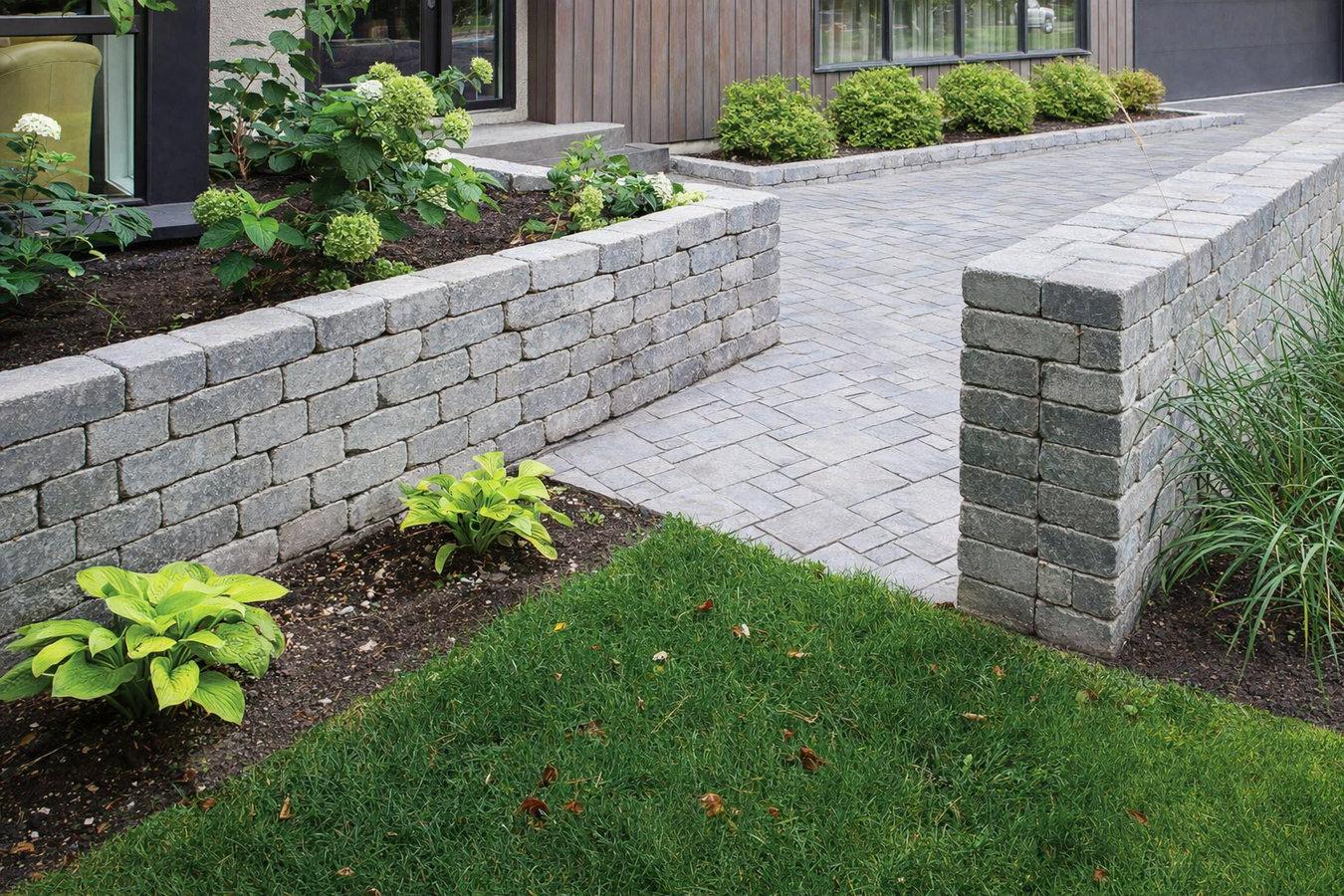
Concrete retaining walls in San Rafael hold back hillside soil, control drainage, and create level terraces on sloped lots. Most residential wall projects take two to five days of active work, with an additional week of curing before backfilling, plus permit lead time of two to four weeks with the City of San Rafael.
Sloped properties throughout San Rafael, from the hillside streets above downtown to the Sun Valley and Terra Linda neighborhoods, deal with soil movement every wet season. A concrete retaining wall addresses that problem permanently rather than patching it year after year. If the slope you need to retain sits near existing paved surfaces, our slab foundation building service can create a level pad on the retained ground once the wall is in place.
Drainage is the part of this work that most homeowners do not see but that determines whether a wall lasts 10 years or 50. We build drainage into every wall from the start so water pressure never has a chance to push against the structure.
A wall that tilts outward, bows in the middle, or has developed horizontal cracks is under more load than it was built for. In San Rafael, this commonly appears in late winter or early spring after months of saturated soil pressing against the structure. A wall that is already moving will continue to move, and the cost of a full collapse is far greater than an early repair.
If you notice soil, mulch, or gravel migrating down your yard after a storm and pooling near a path, foundation, or neighboring property, your slope lacks adequate retention. San Rafael's wet winters accelerate erosion, and what starts as a minor nuisance can become a significant problem within a few seasons without a physical barrier to hold the soil.
Water collecting against your home's foundation after rain often means a hillside slope is directing runoff toward the structure rather than away from it. San Rafael's clay soils hold moisture and release it slowly, which extends the window of damage. A retaining wall with proper drainage can redirect that water before it causes long-term foundation harm.
When the edge of a paved surface near a slope is cracking, sinking, or separating, the soil beneath it is shifting. This pattern is especially common on hillside properties in San Rafael where driveways run alongside a cut slope. A retaining wall stabilizes the ground and stops further movement before the damage spreads across the paved surface.
We build poured concrete retaining walls and concrete masonry unit (block) walls for residential properties throughout San Rafael. The right choice depends on your site: poured concrete is typically stronger for taller walls and hillside lots with significant soil pressure, while block construction is sometimes better suited to tight access or shorter decorative walls.
Every project starts with a footing poured below the frost line and into stable soil. This anchor is what keeps the wall from shifting or tipping over the years. Reinforcing steel runs through the pour to resist horizontal pressure. Behind the finished wall, we install a layer of gravel and a perforated drain pipe to carry water away from the base rather than letting it build up. For properties where a single tall wall would be overdesigned or difficult to permit, we also build tiered walls, which step up the slope in two or three shorter sections and distribute the load more evenly.
Finish options range from plain formed concrete to textured or lightly tooled surfaces that complement the home's exterior. For homeowners whose projects also involve structural ground-level work, our concrete footings service handles standalone footing work for gates, fences, and posts on the same site. All wall construction in San Rafael is permitted through the City of San Rafael Building Division, and we manage that process start to finish.
The Portland Cement Association notes that drainage is the most critical factor in retaining wall longevity. We take that seriously on every job.
Best for taller walls and hillside lots where high soil pressure requires maximum strength and reinforcing steel.
Practical for tighter access situations and shorter decorative walls. Flexible in appearance and easier to stage.
Two or three shorter walls stepped up a steep slope. Easier to permit, distribute load evenly, and create usable terraces.
San Rafael's hillside neighborhoods, from the streets above downtown to Sun Valley and the areas near Dominican University, sit on sloped lots where soil retention is a structural concern, not just a landscaping preference. The city receives most of its annual rainfall between November and April, and saturated clay soil is dramatically heavier than dry soil. A wall that holds up fine in October can be visibly leaning by February if it was not designed with winter drainage in mind.
Much of Marin County sits on expansive clay soils that swell when wet and shrink when dry. This seasonal movement puts stress on wall footings and the soil behind any structure built into a slope. A contractor who understands these conditions will account for them in the footing depth and drainage design, which is one reason local experience matters more than price alone on this type of project.
The City of San Rafael requires building permits for most retaining walls over four feet tall, and HOAs in planned neighborhoods such as Terra Linda often require design approval before a city permit can even be submitted. We serve homeowners throughout San Rafael as well as neighboring Novato and Vallejo, and we handle permit applications and HOA submissions as part of every job.
Call or submit the contact form and someone follows up within 1 business day. We ask about your slope, access, and timeline, then schedule a free on-site visit - retaining walls vary too much to price by phone.
We walk your property, evaluate the soil, slope, drainage, and access. You receive a written estimate that covers excavation, footing, wall construction, drainage, and cleanup. No surprises.
For walls over four feet, we prepare drawings and submit the permit to the City of San Rafael Building Division. Approval typically takes two to four weeks. We coordinate any HOA submission at the same time.
The crew pours the footing, builds the wall, and installs drainage behind it before backfilling. A city inspector signs off on the work. Your yard is cleaned up and the wall is ready to use.
We respond within 1 business day. Free on-site estimates, no obligation.
(628) 234-2248Most retaining wall contractors in San Rafael leave permit logistics to the homeowner. We prepare the required drawings, submit to the City of San Rafael Building Division, and coordinate the final inspection without putting that burden on you. You get full documentation when the job is done.
The leading cause of early retaining wall failure is inadequate drainage behind the wall. We install gravel backfill and perforated drain pipe on every wall we build, not as an upsell but as a standard part of the job. The Portland Cement Association identifies drainage as the most critical factor in wall longevity.
We have worked on sloped residential sites throughout San Rafael and Marin County, including tight-access hillside properties where standard equipment cannot reach. Local terrain experience means we know what San Rafael's clay soils and wet winters require before the first shovel hits the ground.
You can verify our California contractor's license on the{' '} CSLB website in under a minute. We carry general liability and workers' compensation coverage on every project, which protects you if anything goes wrong on your property. Confirm any contractor's license before signing a contract.
San Rafael's hillside properties require a contractor who understands both the physical demands of the terrain and the permit process the city requires. We bring both to every project, so the wall you get is built to last and fully documented from the start.
Verify contractor licenses at the California Contractors State License Board before signing anything.
When a retaining wall protects a new addition or structure, a properly prepared slab foundation is the next step in making that space usable.
Learn moreEvery retaining wall starts with a footing. Standalone footing work for fences, gates, and posts is available as a separate service.
Learn moreDry-season project slots fill fast. Reach out now so your wall is done before the fall rains return.