Loading...
Serving San Rafael, CA and surrounding areas. (628) 234-2248
Serving San Rafael, CA and surrounding areas. (628) 234-2248
A sunken slab signals a soil problem that will not fix itself. San Rafael Concrete raises and levels settled foundations before they damage what sits above them.
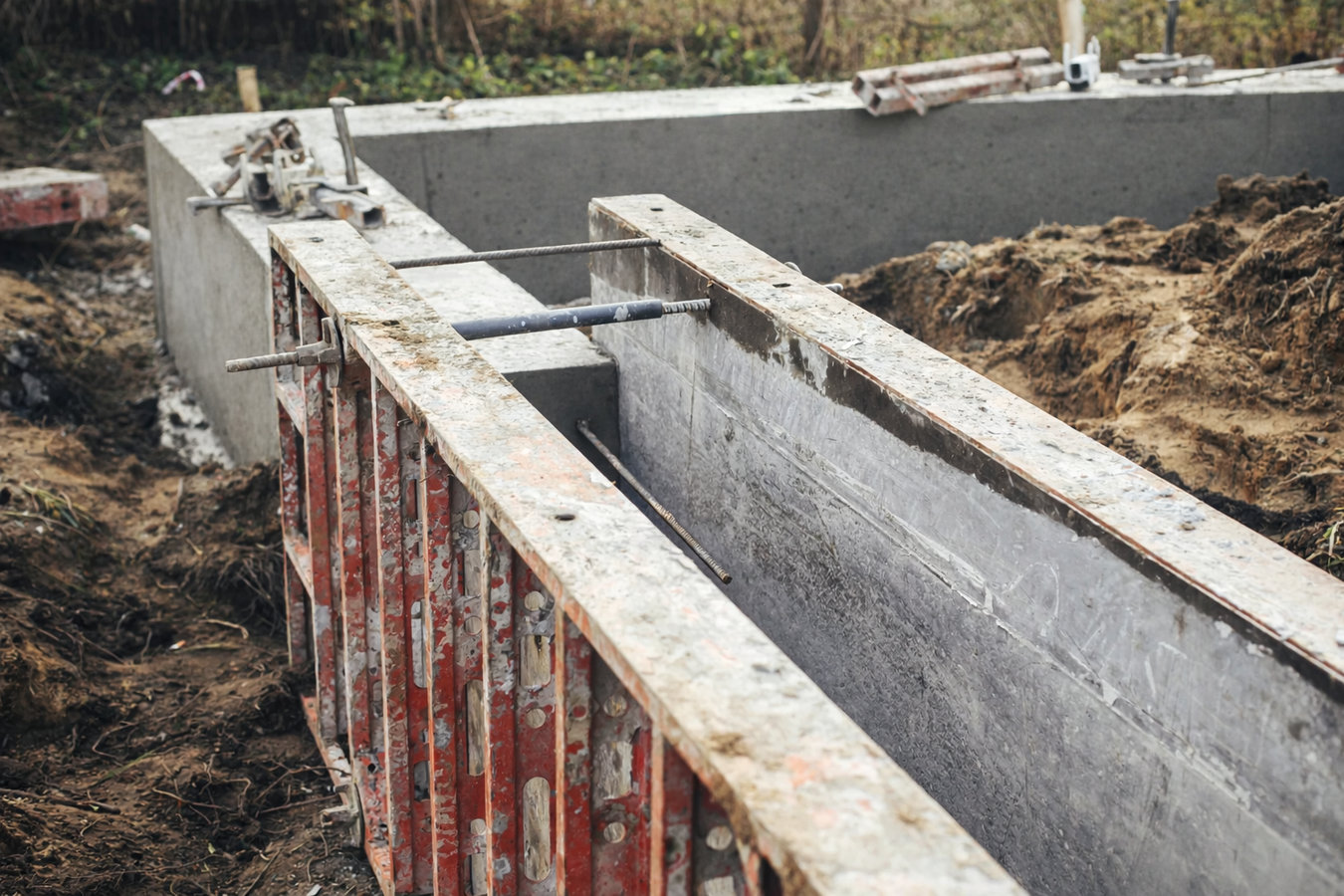
Foundation raising in San Rafael lifts a sunken or uneven concrete slab back to level by pumping material underneath through small drilled holes, then patching the surface. Most residential jobs take one day or less, and you are typically back to normal use within 24 hours.
When a slab drops in San Rafael, the cause is almost always the soil underneath, not the concrete itself. Marin County's clay-heavy ground swells with winter rain and shrinks in summer, gradually eroding the support your foundation depends on. San Rafael Concrete identifies the soil condition before recommending a method, so the fix addresses what actually caused the sinking.
If the assessment reveals damage that goes deeper than the slab surface, our foundation installation service covers full replacement when that is the right call.
If a door that used to swing freely now drags on the floor or refuses to latch, the frame has moved slightly out of square because the slab beneath it has dropped. This is especially common in San Rafael's older hillside homes, where decades of clay-soil movement have had time to accumulate. Acting early prevents the frame from warping further.
Small hairline cracks are normal in any concrete surface. But cracks wider than a quarter inch, cracks that run diagonally, or sections that have clearly dropped lower than the surrounding area are signs the ground underneath has given way. In San Rafael, this pattern often worsens after a wet winter when saturated clay soil has shifted.
If you notice a consistent slope when walking through a room, or a marble placed on the floor always rolls toward one corner, the slab beneath the flooring may have settled unevenly. The movement can be subtle at first. Catching it before the gap grows avoids significantly more disruptive repairs later.
San Rafael gets concentrated rainfall between November and March. If water collects against your foundation or in low spots on your patio or driveway after a storm, it is likely contributing to soil erosion underneath the concrete. That cycle of saturation and drying continues to pull the ground away from your slab season after season.
Foundation raising starts with a site assessment, not a sales pitch. We walk the affected area, measure the extent of the settlement, check for cracks, and evaluate what is causing the sinking, whether it is drainage, soil movement, or something else. Only after that do we recommend a method and explain the reasoning.
We offer two primary lifting methods. Traditional slurry lifting, often called mudjacking, pumps a cement-and-soil mixture under the slab through golf-ball-sized holes. Polyurethane foam injection uses an expanding foam through smaller holes and cures faster, which is useful when vehicle access needs to be restored the same day. The right choice depends on your slab type, the size of the void, and the access conditions at your property.
Once the slab is level, we patch all drilled holes with a concrete mix that blends as closely as possible with the surrounding surface. If the work falls under the City of San Rafael's permit requirements for structural repairs, we handle that paperwork from start to finish, including coordinating the inspection. For properties where the soil problem has progressed beyond what a lift can correct, we also provide concrete footings work and full foundation installation when replacement is the honest recommendation.
Best suited for larger slabs and situations where cost per square foot is the primary concern. Standard hole size; effective in most soil conditions.
Faster cure time and smaller holes make this the right choice when quick turnaround matters, such as driveway slabs or garage floors.
Included in every estimate. If water is the root cause of settlement, we flag it and recommend what to address alongside the lift.
For structural scope work in San Rafael, we submit the permit, schedule the inspection, and handle all communication with the building department.
San Rafael sits in one of the most seismically active regions in the country. The Rogers Creek Fault runs through Marin County, and even moderate seismic activity can shift soil enough to cause gradual settlement over time. Combine that with the wet-dry soil cycle that drives clay expansion and contraction every year, and foundation movement is not a rare problem here, it is a predictable one for older properties.
Many San Rafael homes were built between the 1940s and 1970s, when soil compaction standards were less rigorous than they are today. Neighborhoods like Dominican, Sun Valley, and the Canal area have a high concentration of homes from this era. Their foundations have been quietly shifting ever since, and the seasonal stress cycle has had decades to do its work. A proactive inspection every few years is worth more than an emergency lift after something gives.
The best time to schedule a foundation assessment in San Rafael is late spring, after the rainy season has ended and the soil has begun to stabilize. That gives the most accurate picture of where things actually stand. We serve homeowners throughout San Rafael and regularly work in neighboring areas including Novato, Vallejo, and Napa, where similar clay soils and seismic conditions apply.
Reach out by phone or form and we respond within 1 business day. We ask where the problem is, how long you have noticed it, and whether there are related signs like sticking doors or standing water.
We visit your San Rafael property, walk the affected area, check for drainage issues and cracks, and give you a written estimate. No obligation to proceed on the spot.
If the scope requires a City of San Rafael permit, we handle the application and inspection scheduling. Most structural lifting permits take a few business days to process.
On the day of work, the crew drills, pumps, monitors the lift, then patches all holes and cleans up. We walk you through the finished result before leaving and tell you exactly when the area is safe to use.
We respond within 1 business day. No obligation, no pressure. Just a straight assessment of what is happening and what it will take to fix it.
(628) 234-2248San Rafael sits near the Rogers Creek Fault, and we factor seismic context into every foundation assessment we do in Marin County. Knowing the local geology means we understand why a slab moved, not just that it did, and that shapes what we recommend.
California law requires any contractor performing work valued at $500 or more to hold a valid state license. You can verify our license on the CSLB website{" "}in under a minute, which also shows active insurance and any complaint history.
The expansive clay soils throughout San Rafael and the surrounding areas require a different base-level approach than what works in drier parts of California. We have worked on foundations across the region and know what these soils do in every season.
The City of San Rafael's Building Division requires permits for structural foundation repairs. We file the application, track the status, and coordinate the inspection. You do not need to deal with the building department yourself, and the finished work has a documented record.
Foundation work is one of the highest-stakes repairs a homeowner in San Rafael can face. We give you an honest assessment, explain the method and the reasoning, and document the work properly so it protects the value of your home for years to come. The Concrete Foundations Association sets the industry standards we work from, and that matters when you are comparing bids.
When a structure needs a new foundation poured from the ground up, we handle the excavation, forming, and placement for San Rafael properties.
Learn moreProperly sized and placed footings are the load-bearing base every wall and column depends on, engineered for Marin County seismic requirements.
Learn moreClay soils that saturated last winter are already working against your slab. Call now or submit the form and we will give you a clear picture of where things stand.