Loading...
Serving San Rafael, CA and surrounding areas. (628) 234-2248
Serving San Rafael, CA and surrounding areas. (628) 234-2248
Whether you are opening a floor for new plumbing or cutting a drainage channel in a pooling patio, precision matters. San Rafael Concrete makes clean cuts and handles slurry disposal the right way.
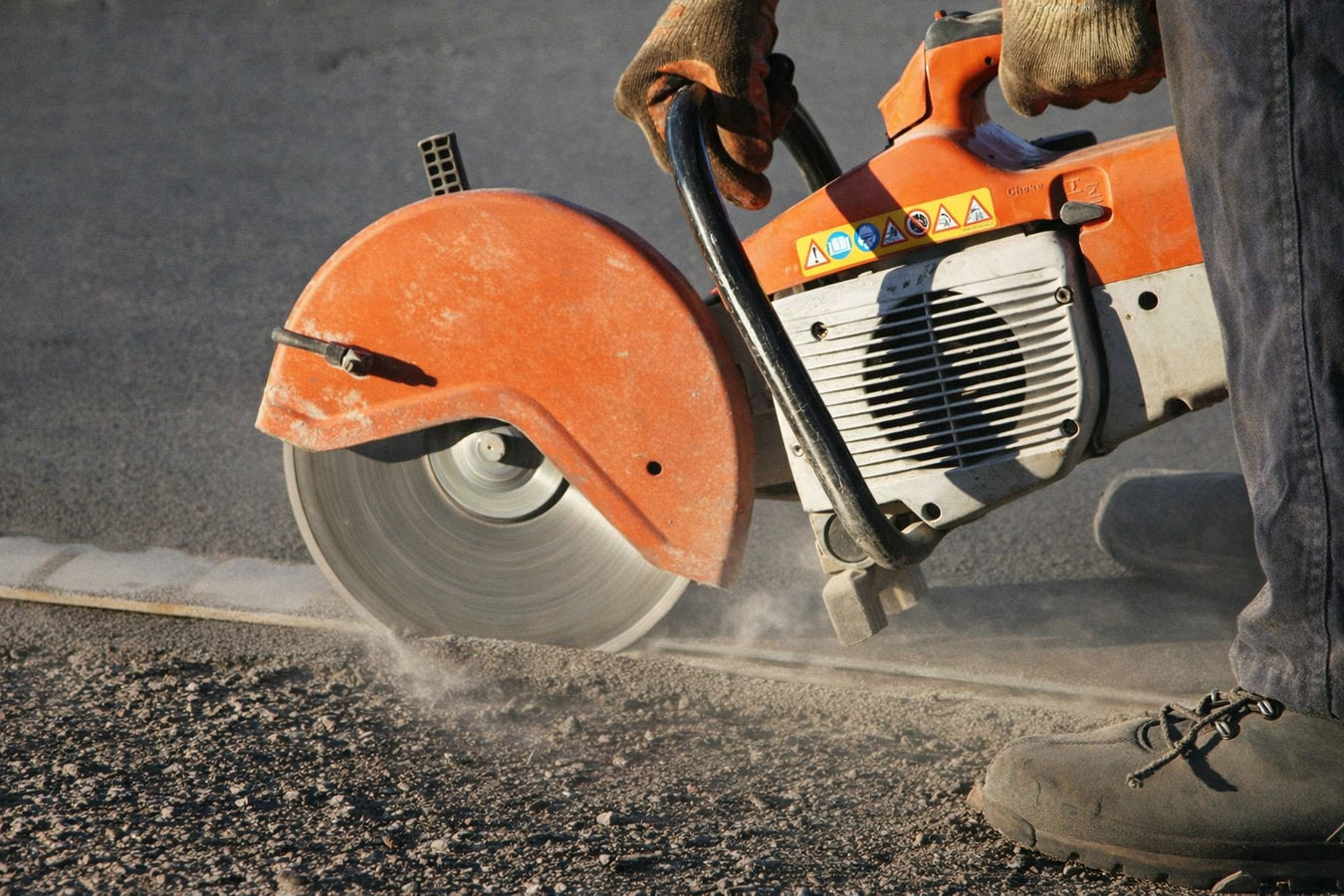
Concrete cutting in San Rafael uses diamond-blade saws and core drills to make precise openings, trenches, and channels in hardened slabs. Most residential jobs take a single day from setup to cleanup, and the area is ready for the next trade, whether that is a plumber, tile installer, or flooring crew, the same afternoon.
San Rafael's older housing stock means many slabs were poured 50 to 60 years ago, with thicker profiles and reinforcement layouts that differ from modern construction. Before any blade touches your concrete, we locate underground utilities, check for rebar, and assess the slab depth so nothing unexpected comes up mid-job.
If your project involves a full new surface after the cut is complete, our concrete floor installation service handles the pour once the trench or opening is ready.
If a bathroom, laundry room, or utility sink addition requires new drain lines below the floor, the slab has to be opened. Your plumber will confirm when the new drain cannot connect without going through the concrete. This is one of the most common reasons San Rafael homeowners call a concrete cutting crew, particularly in older homes where the original plumbing layout does not support modern additions.
San Rafael's wet winters make poor drainage obvious fast. If water sits on your patio or driveway for hours after rain, a precisely cut drainage channel can redirect that water away from your home's foundation. This is far less disruptive than replacing the entire slab and can be completed in a single day.
Creating a new doorway or window through a concrete wall requires precise cutting. Attempting to break through without the right saw creates cracks that spread well beyond the opening. If you are planning a garage conversion, ADU, or any addition that involves breaking through an exterior concrete wall, cutting is the right approach.
Core drilling creates a smooth, round hole through a concrete wall or floor for a pipe, electrical conduit, or post anchor. If a contractor or engineer has told you a core drill is needed, that is your signal. The result is a precise opening that does not disturb the surrounding concrete.
Flat slab sawing handles the most common residential needs: plumbing trenches, drainage channels, and slab removal for remodels. We use water-cooled diamond blades that cut cleanly through both the concrete and any steel reinforcement inside. The water also suppresses the fine silica dust that cutting produces, protecting your home and our crew.
Core drilling creates precise round holes for pipes, posts, conduit, and anchor bolts. This is the method your plumber or electrician will typically specify when they need a clean penetration through a slab or wall. We size the bit to the exact diameter needed and drill to the specified depth without cracking the surrounding material.
For projects that include removing cut sections, we break the cut concrete into manageable pieces and haul everything away. Confirm before the job starts that debris removal is included in your quote. All slurry, the watery waste produced by wet cutting, is collected and disposed of per Marin County's stormwater rules, not washed into the gutter. If the project requires a permit from the City of San Rafael Building Division, we pull it. Before any cut, we call 811 to have underground utilities marked as required by California law. For projects that lead to a full surface rebuild, we offer concrete parking lot building and concrete floor installation to complete the work under one contract.
Plumbing trenches, drainage channels, slab removal, and expansion joints. Right for any cut on a horizontal surface.
Round precision holes for pipes, conduit, posts, and anchor bolts. Leaves the surrounding concrete undisturbed.
New doorways or window openings through vertical concrete walls. Required for garage conversions and ADU additions.
Narrow trench cut into existing patios or driveways to redirect standing water away from your home's foundation.
Cut sections broken down and removed from your property. Disposal handled per Marin County requirements.
811 utility locates called before every job. City of San Rafael permits pulled when the scope requires it.
San Rafael's older housing stock creates a specific set of challenges for concrete cutting. Many homes in neighborhoods like Terra Linda, Sun Valley, and the Canal area were built between the 1940s and 1970s. Their slabs are often thicker than modern construction, may contain older-style reinforcement, and sometimes have utility lines running in locations nobody documented. Prep work, probing the slab, checking for rebar, and calling 811 before any cut, is not optional here.
San Rafael also sits in a high seismic hazard zone close to the Hayward and San Andreas fault systems. Any cut that gets close to a load-bearing wall or a structural slab deserves extra care. For those projects, we recommend a structural engineer review before work begins. Most routine cuts, floor trenches for plumbing, patio drainage channels, core drills for pipes, do not raise seismic concerns, but the question is worth asking and answering honestly.
Marin County's stormwater rules mean the slurry from wet cutting cannot run into the street or storm drain. We contain it on every job. Homeowners in neighboring areas face the same rules, and we bring the same practices to projects we handle in Novato, Berkeley, and Concord.
Call or submit the form and we follow up within 1 business day. Describing where the cut is and what it is for, with a photo if possible, lets us give you a rough range before we even visit the site.
We visit your San Rafael property, check slab thickness, look for reinforcement, and assess equipment access. You receive a written quote covering cutting, cleanup, and debris removal. No surprises on the invoice.
We call 811 before any cutting begins to have underground lines marked. If your project requires a City of San Rafael permit, we file it and handle all communication with the Building Division.
The crew sets up dust and slurry containment, makes the cut, removes debris, and cleans the area. If a permit was pulled, we schedule the city inspection so your plumber or tile installer is not waiting on paperwork.
We respond within 1 business day. No obligation. Tell us what you need, we will tell you exactly what it will cost and how long it will take.
(628) 234-2248The watery waste from wet concrete cutting cannot legally enter Marin County storm drains. We contain it with wet vacuums or collection systems on every job, not just when a client asks. That protects your property and keeps you in good standing with local environmental rules without any extra effort on your part.
California requires any contractor performing work valued at $500 or more to hold a valid state license. You can verify ours on the CSLB website in under a minute. The listing also shows active insurance status and any complaint history, which gives you an independent check before you sign anything.
Homes built in the 1950s through 1970s, which make up a significant portion of San Rafael's housing stock, have slabs that require extra prep. We probe for reinforcement and check for unknown utility lines before quoting, so what you are told upfront is what you actually pay. No mid-job surprises because someone skipped the assessment step.
California law requires contractors to call 811 before cutting into any slab or ground. We call on every job without exception. In a city like San Rafael, where older homes have utility lines that were laid without modern documentation standards, this step is not paperwork, it is protection for your gas, water, and electrical systems.
The Concrete Sawing and Drilling Association sets the industry training and safety standards we reference for every cutting project. Combined with local knowledge of San Rafael's seismic conditions, older slab profiles, and Marin County environmental rules, that standard is what separates a clean, documented job from one that creates problems for your remodel later.
Full-depth parking surface construction for commercial and multi-unit residential properties, built to handle Bay Area traffic loads and stormwater rules.
Learn moreInterior slab pours for garages, ADUs, and commercial spaces, including moisture barriers and surface finishes suited to San Rafael's damp winters.
Learn moreMost jobs can be scheduled within the week. Call now or submit the form and we will give you a written quote before any work begins.