
Loading...
Serving San Rafael, CA and surrounding areas. (628) 234-2248
Serving San Rafael, CA and surrounding areas. (628) 234-2248
Cracked, tilting, or slippery entry steps are a safety problem that gets worse every rainy season. San Rafael Concrete builds properly formed, permitted, and finished steps for hillside lots and older homes throughout Marin County.
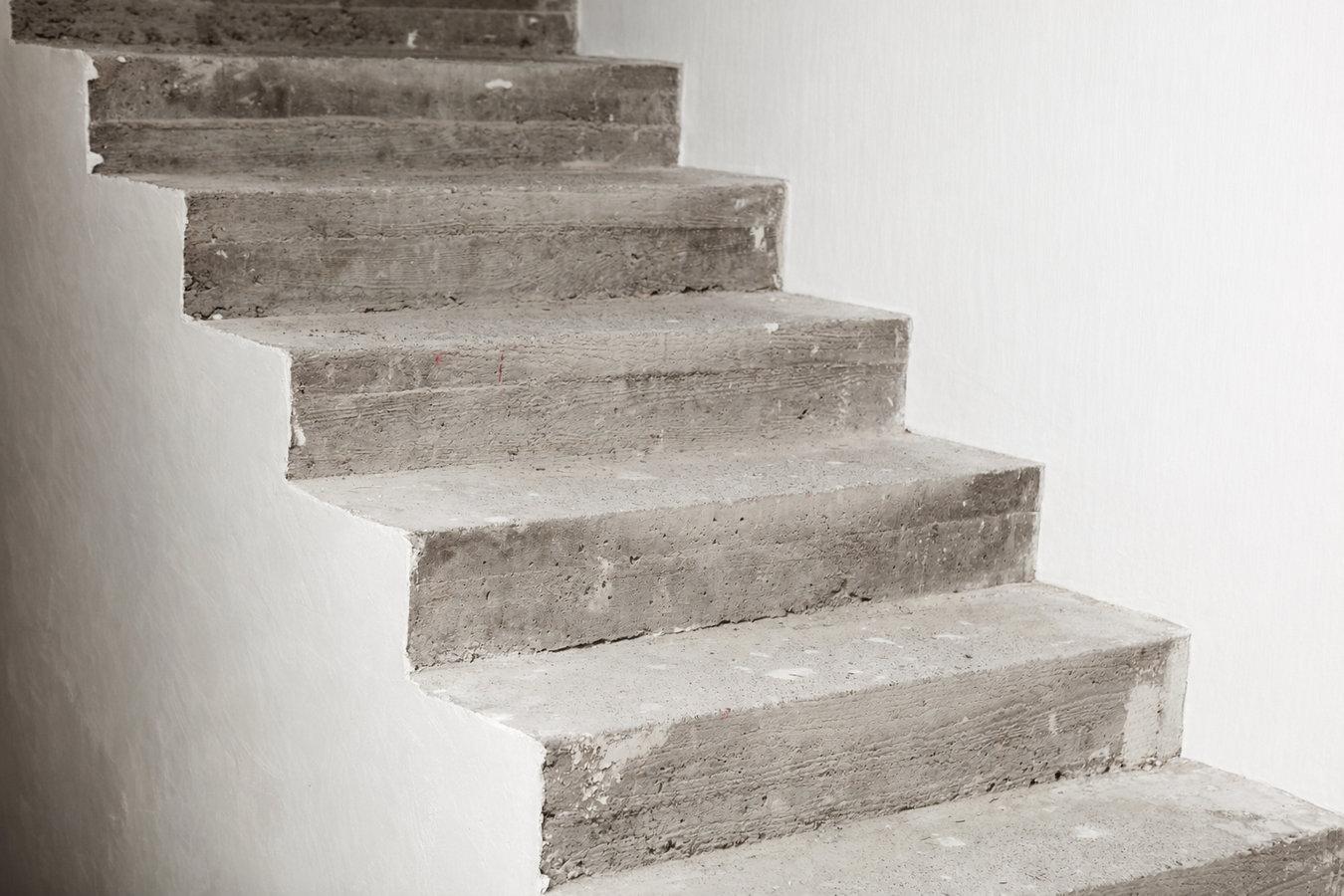
Concrete steps construction in San Rafael involves demolishing old steps, compacting the soil and gravel base, building a wooden form, pouring and finishing the concrete, and pulling the required city permit. Most residential step projects take one to two days of active work, with light foot traffic possible within 24 hours.
Many San Rafael homes were built in the 1950s through 1970s, and their original entry steps may have cracked, tilted, or settled enough over the decades to become a genuine safety hazard. Marin County's clay soils are a major contributor: the ground beneath these steps swells and shrinks with every wet season, and steps that were not built with a proper compacted base start moving within a few years. For homes on sloped lots, the work often involves more complex forming than a flat-lot job, and sometimes calls for a concrete retaining wall alongside the steps to hold the grade in place.
Cracks wider than a hairline, especially ones that run through an edge or corner, mean the step's structural integrity is compromised. In San Rafael's clay-soil neighborhoods, these cracks often start small after a wet winter and widen each season as the ground beneath shifts. Filling them buys time but does not fix the underlying movement.
If any step shifts when you step on it, or slopes noticeably to one side, the base beneath has settled or eroded. A tilted step is a trip hazard that is easy to miss in dim light and especially dangerous for older family members or guests arriving in the evening.
When the top layer of concrete starts to flake off in chips or thin sheets, the surface has begun to break down. Once spalling starts, it tends to spread. A rough, pitted surface is harder to clean, more slippery when wet, and a real concern during San Rafael's rainy season from November through March.
If your door now swings over the edge of the top step, or if there is a noticeable gap between the threshold and the step surface, the steps have shifted relative to the house. This happens gradually over years and is easy to overlook until the gap is wide enough to catch a foot or let water into the entry.
Every steps project starts with removing the old structure and hauling it away. The crew then digs down to stable soil, adds and compacts a gravel base, and builds a wooden form in the shape of your new steps. Getting the form right is where a hillside job differs from a flat-lot job: San Rafael homes on sloped entries require careful measuring and additional bracing to make sure each step is level, consistent, and properly tied to the grade around it.
Surface finish choices range from a standard broom texture, which is practical and slip-resistant, to a brushed or exposed aggregate finish for a cleaner look. For homeowners who want the steps to match the walkway leading up to them, we can coordinate the steps project with our concrete sidewalk building work so both surfaces share the same finish and sit at compatible heights.
Before any work begins in San Rafael, we apply for the required building permit through the City of San Rafael Community Development Department. This is standard practice on any legitimate steps project, and it means a city inspector reviews and signs off on the work. As the Portland Cement Association notes, proper subgrade compaction and formwork are as important as the concrete mix itself when it comes to how long steps hold up over time.
The standard choice for entry steps. Provides reliable grip in wet weather without being harsh underfoot.
A natural-looking surface that shows small stones in the mix. Common on Craftsman and mid-century homes throughout San Rafael.
Pressed patterns that mimic stone, slate, or brick. Suited to homeowners who want the entry to complement the home's exterior style.
A large share of San Rafael's housing stock dates to the 1950s and 1960s. Many of those homes have original entry steps that have never been replaced, and their condition reflects decades of clay soil movement, wet winters, and the simple wear that comes with age. These are not straightforward flat-lot jobs: older foundations, non-standard entry configurations, and steep lot grades all require a contractor who has worked in established San Rafael neighborhoods before, not one quoting the project like a new suburban build.
San Rafael's rainy season, which runs from November through March, puts particular stress on entry steps. Water that pools at the base or along the sides after a storm works its way under the slab and accelerates cracking and settling. That is why proper base drainage and a compacted gravel layer are non-negotiable here, not optional upgrades. Scheduling concrete work during the dry season, roughly April through October, also protects the surface during curing.
We build entry steps for homeowners throughout the region, including in Novato, Petaluma, and across Marin and Sonoma counties, and we apply the same base preparation and permit process to every job regardless of city.
Call or submit the contact form and someone follows up within 1 business day. We ask a few questions about your entry and schedule a free site visit at no obligation.
We visit your property, look at the existing steps, slope, and soil, and provide a written estimate that breaks out demolition, materials, labor, and permit fees separately.
We submit the building permit to the City of San Rafael on your behalf before work starts. Once approved, the crew removes the old steps, compacts the base, and builds the form.
The concrete is poured and finished to your chosen texture. After curing, we coordinate the city inspection and walk you through the completed steps before we leave.
We respond within 1 business day. Free on-site estimates, no obligation, and we handle the entire City of San Rafael permit process on your behalf.
(628) 234-2248San Rafael Concrete holds an active license with the California Contractors State License Board. Before signing any contract, you can look up our license number in minutes on the CSLB website. A valid license means the contractor carries the workers' compensation and liability insurance required to protect your property.
A significant portion of San Rafael homes sit on sloped entries that require more complex forming than a flat-lot job. We have built steps on hillside properties throughout Marin County and understand the additional base preparation and bracing that sloped sites require.
We submit the City of San Rafael building permit before the first shovel goes in the ground. That means the work is reviewed by a city inspector and shows up correctly in your permit history. Unpermitted steps are a common red flag on home inspections and can delay a sale.
We have built entry steps for homeowners in San Rafael, Novato, Petaluma, Vallejo, and across eight other cities in the region. That range means we know how permit timelines, soil conditions, and right-of-way requirements vary from city to city.
Entry steps are one of the most-used surfaces on any property, and they are what guests notice first. Every project we complete is permitted, properly drained, and finished to a texture that holds its grip through wet weather. If you want references from completed step projects in San Rafael or on hillside lots specifically, just ask.
Replacing the walkway that connects your entry steps to the street ties the whole front approach together and removes trip hazards along the path.
Learn moreHillside entries that require steps often need a retaining wall alongside to hold back the slope and keep the base stable long-term.
Learn morePermit timelines add one to two weeks before work can start. Reach out now so your entry steps are ready before the next rainy season.