Loading...
Serving San Rafael, CA and surrounding areas. (628) 234-2248
Serving San Rafael, CA and surrounding areas. (628) 234-2248
A cracked, uneven, or moisture-prone floor creates problems for everything built on top of it. San Rafael Concrete installs properly prepared slabs for garages, ADUs, and interior spaces built for Marin County conditions.
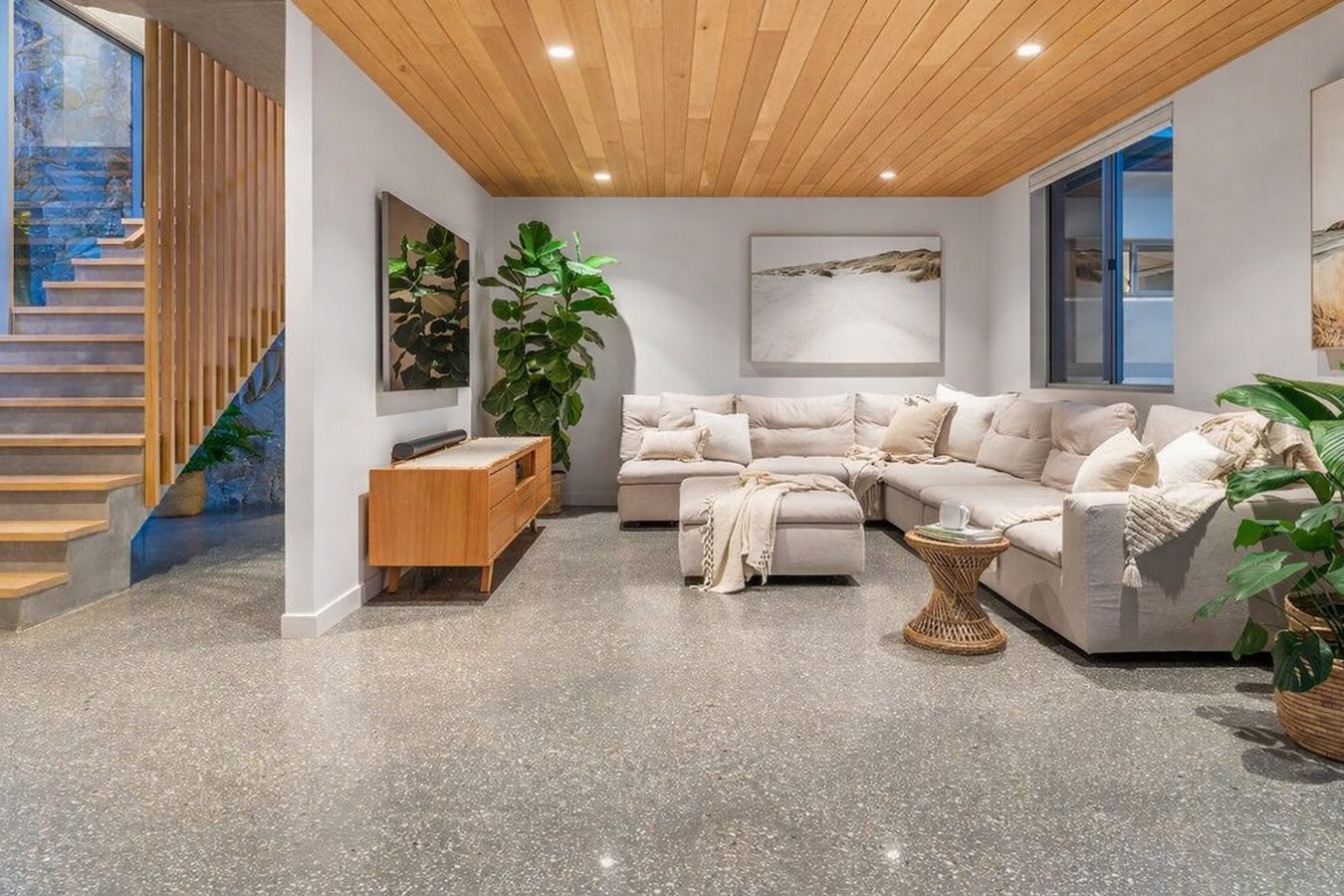
Concrete floor installation in San Rafael involves removing the existing surface, preparing and compacting a stable base, pouring and finishing a new slab, and obtaining the required city permit. Most residential projects take two to five days of active work, with the space ready for light foot traffic within 48 hours of the pour.
Many San Rafael homes were built in the 1950s through 1970s with original slabs that have aged past the point of useful repair. Cracking, moisture intrusion, and uneven settling are common in neighborhoods like the Canal District, Sun Valley, and Terra Linda, where clay-heavy soils have been shifting under those floors for decades. If you are converting a garage or adding an ADU, our garage floor concrete service covers the full range of garage-specific floor options including coatings and epoxy finishes.
A concrete floor is the foundation every other finish material depends on. Getting the base preparation right from the start prevents costly problems that show up once tile, vinyl, or other flooring goes on top.
Hairline cracks are a normal part of concrete aging. But cracks you can fit a fingernail or coin into indicate the slab has shifted or settled. In San Rafael, this often traces back to clay soils expanding and contracting with the wet-dry cycle. Filling these cracks temporarily does not stop the underlying movement.
If you feel a dip or hump when you walk across the floor, or a ball rolls noticeably in one direction, the slab has settled unevenly. Water follows low spots, accelerating further damage. This is worth addressing before any additional flooring material goes on top, because an uneven base causes problems for everything laid over it.
San Rafael's rainy winters push moisture up through aging slabs, especially in older homes in neighborhoods like the Canal District. Damp spots, white powdery deposits called efflorescence, or small puddles forming on the floor after rain are signs the slab is no longer blocking moisture effectively. Left unaddressed, this damages finishes, promotes mold, and weakens the slab further.
When the top layer of concrete breaks apart into rough patches, chunks, or a dusty surface, the slab is deteriorating from the surface down. This is common in older San Rafael homes where original concrete mixes or finishing techniques were less durable than current standards. Once surface spalling begins, it continues to worsen with each winter.
Every project starts with removing what is already there. For existing concrete, that means demolition and haul-off of the old slab. For new construction or ADU conversions, it means clearing and leveling the subgrade. We check for moisture at this stage, since San Rafael's wet winters and clay soils make vapor intrusion a genuine risk in older homes. Where moisture is present or likely, we install a vapor barrier before the new concrete goes down.
Base preparation is the step most homeowners never see but that determines how long the floor lasts. We compact the subgrade, add a gravel layer appropriate for local soil conditions, and set forms to control the slab's edges and slope. Only after that foundation work is complete does the concrete get poured and finished.
Finish options range from a standard smooth or broom-textured surface to polished, stained, or coated finishes that change how the space looks and how easy it is to clean. Decorative finishes cost more but can dramatically improve a garage conversion or ADU. For projects that involve new structural work, our slab foundation building service handles the structural slab for additions and new structures. The Concrete Network is a useful resource for exploring decorative finish options before your estimate.
All slab installations in San Rafael are permitted through the City of San Rafael Community Development Department. We handle the application, coordinate the inspection, and deliver a project that is fully signed off and documented.
The practical baseline. Clean, durable, and appropriate for garages, storage areas, and spaces that will receive another flooring material on top.
Ideal for ADU conversions, home offices, or any interior space where the concrete is the finished floor. More durable and easier to maintain than many alternatives.
Popular in garages and workshops. Resists stains, chemicals, and moisture. Covers minor surface imperfections and gives the space a finished appearance.
A significant portion of San Rafael's homes were built between the 1950s and 1970s, which means many of the city's residential slabs are now 50 to 70 years old. Homes in Terra Linda, the Canal District, and parts of Sun Valley frequently have original concrete that was poured thinner and with less reinforcement than current standards require. Removing and replacing these slabs is more involved than working with newer construction, which is one reason an in-person assessment before pricing is non-negotiable.
San Rafael's clay soils create two distinct problems for concrete floors. First, they move with the wet-dry cycle, and a slab that was not compacted and based correctly will follow that movement into cracking and settlement. Second, clay holds moisture, which can migrate upward through an aging slab. We address both during base preparation on every project.
The dry season, roughly April through October, is when most concrete floor work should happen. Rain during or immediately after a pour weakens the surface and can ruin the finish. Spring and summer slots book early, so homeowners in San Rafael, Novato, and the surrounding area who are planning a project for the dry season should reach out a few months ahead of their target date.
Call or submit the contact form and someone follows up within 1 business day. We ask basic questions about the space and schedule a free on-site visit. Most floor jobs cannot be accurately priced without seeing the existing conditions.
We inspect the existing floor or subgrade, check for moisture, and assess what prep work is needed. In San Rafael, older slabs often require more demolition or soil work than they appear to. You get a written price before anything starts.
We pull the required building permit from the City of San Rafael, which typically takes one to three weeks. Once approved, we confirm your start date. Dry-season slots book fast, so early scheduling pays off.
The crew demolishes the old slab, prepares the base, and pours the new floor. The space needs 24 to 48 hours before light use. A city inspector signs off before the permit closes. Your contractor walks you through care instructions.
We respond within 1 business day. Free on-site estimates, no obligation.
(628) 234-2248San Rafael's clay-heavy soils are the most common reason concrete floors crack within a few years of installation. We account for local soil behavior in every base we prepare, compacting correctly and adding gravel where the ground demands it. A floor built for what is actually underneath it lasts far longer than one that ignored the soil.
Older homes in the Canal District, Sun Valley, and Terra Linda regularly show moisture coming up through aging slabs. We test for moisture before starting and install vapor barriers when needed. Skipping this step leads to peeling coatings, bubbled finishes, and mold under any flooring laid on top.
We pull every required permit from the City of San Rafael and coordinate the city inspection at project completion. You receive full documentation when the job is done. Unpermitted slab work in San Rafael is a common complication in home sales, and we do not put you in that position.
San Rafael has one of the higher rates of ADU construction in Marin County. We have installed concrete floors as part of dozens of garage conversions and accessory dwelling unit projects in the city and surrounding area. We understand what those specific projects require and how to sequence the work so other trades are not waiting on us.
A concrete floor is the foundation for everything that comes after it. Getting the preparation right from the start prevents expensive failures once tile, vinyl, or other materials go on top. Verify any contractor's license at the California Contractors State License Board before signing anything.
A dedicated garage floor service covering surface coatings, epoxy finishes, and full slab replacement for residential garages in San Rafael.
Learn moreWhen a new floor is part of an addition or new structure, a properly prepared slab foundation is the structural starting point for the whole project.
Learn moreDry-season slots fill quickly. Reach out now to lock in your project date before the spring rush.