Loading...
Serving San Rafael, CA and surrounding areas. (628) 234-2248
Serving San Rafael, CA and surrounding areas. (628) 234-2248
Plain gray concrete does not have to be the default. San Rafael Concrete installs stamped, stained, and exposed-aggregate finishes that match your home and hold up through Marin County winters, without the cost of natural stone.
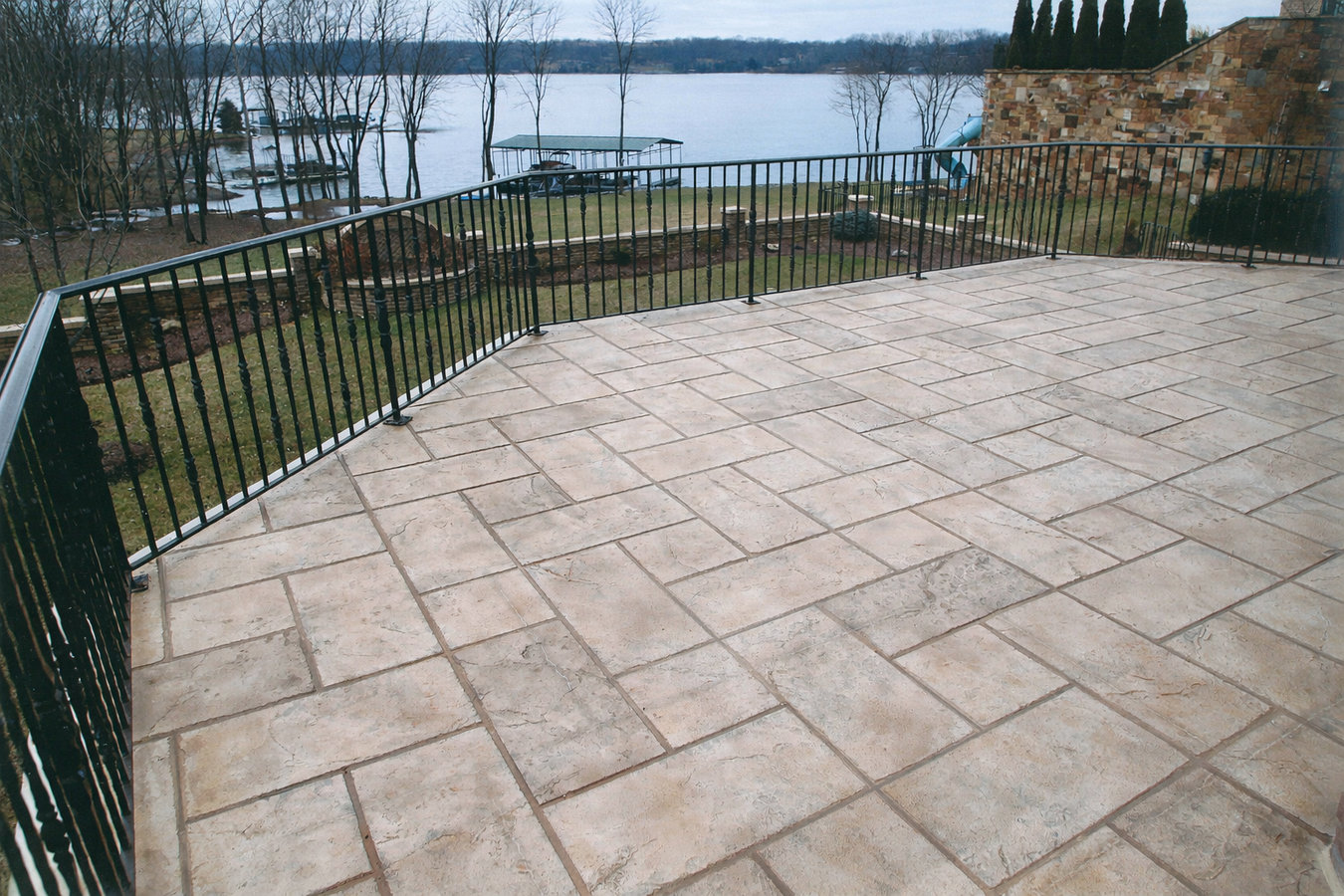
Decorative concrete in San Rafael covers stamped, stained, exposed aggregate, and polished surfaces for driveways, patios, walkways, and pool decks. Most residential projects take one to three days of active work, followed by a curing period before the surface is ready for foot or vehicle traffic.
Many San Rafael homeowners turn to decorative concrete when they want outdoor surfaces that look like natural stone or tile but do not want the ongoing maintenance or the cost that comes with those materials. Concrete can be colored, textured, and patterned to match nearly any home exterior, and a properly sealed surface holds its finish for years. If your project calls for patterned work specifically, our stamped concrete services page covers that finish in detail.
Before any decorative work begins, we assess the existing surface and soil conditions. In Marin County, clay-heavy ground means base preparation is not optional, and we handle that step the right way regardless of how visible or decorative the finished surface will be.
Edge cracks on a slab are often cosmetic. But cracks that run diagonally or through the middle usually mean the slab has shifted or settled underneath. In San Rafael, this is often caused by clay soil expanding and contracting with the wet and dry seasons. Once cracking reaches this stage, patching rarely holds, and a full replacement gives you a stable base to work from.
If one section of your walkway or driveway sits noticeably higher than the adjacent section, the soil underneath has moved. This is a tripping hazard that tends to worsen through Marin's rainy winters. A decorative concrete replacement levels the surface and builds in the correct drainage slope from the start.
Oil stains, rust marks, and years of sun exposure can leave a concrete surface looking permanently dingy. If pressure washing and cleaning have not made a meaningful difference, the surface has worn past the point where cosmetic fixes help. Resurfacing or replacing with a sealed decorative finish gives you a clean starting point that is far easier to maintain.
If your driveway or patio holds standing water after a storm, the surface is not draining properly or has settled in a way that traps water. In San Rafael, where winter rains can be heavy, pooling water accelerates surface wear and can push moisture toward your foundation. New decorative concrete can be graded correctly from the start to direct water away from the house.
The most common decorative finish we install in San Rafael is stamped concrete, where rubber mats are pressed into the surface while the concrete is still workable to create patterns that resemble stone, slate, brick, or wood. Homeowners choose stamped concrete most often for patios, pool surrounds, and decorative driveways where they want a specific visual character without the ongoing maintenance of natural materials. For those projects, our dedicated stamped concrete services page covers the pattern and color options in detail.
Stained concrete uses acid-based or water-based color solutions applied to the cured surface to create mottled, translucent color effects. Exposed aggregate finishes are achieved by washing the surface shortly after the pour to reveal the decorative stone mixed into the concrete. Both techniques produce a finish that is unique to each slab and holds up well in outdoor conditions.
Polished concrete is an interior option best suited to living spaces, garages converted to living areas, and commercial floors where a smooth, reflective surface is the goal. For pool surround work, our concrete pool decks service covers slip-resistant finishes and the specific drainage requirements that apply around water.
Every project starts with proper base preparation. In Marin County's clay-heavy soils, this step is what keeps a decorated surface from cracking at the same rate as whatever it replaced. After the pour and curing period, we apply a sealer that protects the color and makes the surface easy to maintain.
Patterns pressed into fresh concrete for a stone or tile look. Ideal for patios, pool surrounds, and decorative driveways.
Acid or water-based color applied after curing for mottled, natural-looking tones. Well suited to existing slabs in good condition.
Surface washed to reveal the decorative stone in the mix. A textured, durable finish that suits walkways and driveways.
Ground smooth and sealed for a reflective interior finish. Common for garage conversions, commercial spaces, and living areas.
San Rafael's Mediterranean climate, dry summers and rainy winters, is one of the better environments for outdoor concrete in California. But it does come with two conditions that matter for any decorative project. First, the practical installation window runs roughly April through October, because concrete poured in wet conditions can cure with a weak, discolored surface that no amount of sealing will fix. Second, most of Marin County sits on expansive clay soils that move seasonally, and that movement is the leading cause of early cracking in outdoor slabs that were not built with it in mind.
San Rafael's housing stock leans heavily toward homes built in the 1950s through 1970s, and a lot of those original driveways and patios are cracked, heaved, or stained past the point of repair. Removing old concrete adds cost but gives us a clean base to work from, and we budget for it upfront rather than surprise you with it later. Many neighborhoods in San Rafael, particularly in Terra Linda, Lucas Valley, and Glenwood, also have active HOAs with design review requirements for exterior changes. We can support your HOA application with color samples and project documentation before anything is scheduled.
Marin County also has stormwater management rules that affect how water drains off your property after new hardscape is installed. A contractor familiar with those requirements makes sure your project is compliant from the start. We regularly work throughout Santa Rosa, Novato, and across the North Bay, where similar soil and permit conditions apply.
Call or submit the contact form and we follow up within 1 business day. We ask a few questions about the space, your design ideas, and whether you have an HOA that needs to approve the work.
We visit your San Rafael property, measure the area, and walk you through finish options with photos and samples. You get a written estimate broken down by line item, no lump sums.
We pull any required permits before work starts, then remove existing concrete, prepare the base, and pour the new slab. The decorative finish, stamping, staining, or aggregate, is applied on the same day while the concrete is workable.
After curing, we apply a sealer that protects the color and finish. We do a final walkthrough, explain the re-sealing schedule, and confirm the surface is ready for full use before we leave.
We respond within 1 business day. Free on-site estimates. No pressure, no obligation.
(628) 234-2248We compact a crushed gravel base designed for Marin County's expansive clay before any decorative finish goes down. A beautiful surface on a bad base will crack. We address the base first, every time, without being asked.
We have worked in San Rafael's HOA neighborhoods, including Terra Linda and Lucas Valley, and we can provide the color samples, pattern photos, and project descriptions your HOA review board needs. Getting HOA approval before the pour is how you avoid redoing a finished surface.
San Rafael and Marin County both have permit and drainage rules that apply to new hardscape. We assess which requirements apply to your project and handle the paperwork, so you are not left navigating permit offices on your own.
We work across Marin, Sonoma, Napa, and Contra Costa counties and apply the same base preparation and permitting standards in every city. For industry best practices, we follow Concrete Network standards for decorative finish applications.
Decorative concrete is a long-term investment in a part of your home that visitors and neighbors see every day. Every point above is about making sure that investment actually holds up, looks right, and does not come back to cause problems when you sell.
Patterns pressed into fresh concrete to replicate stone, slate, or tile, with the durability of a solid concrete slab underneath.
Learn moreSlip-resistant, heat-reflective pool deck surfaces that hold up through years of water exposure and Bay Area sun.
Learn moreSpring and summer dates fill fast across Marin. Reach out now to lock in your spot before the calendar books up.