Loading...
Serving San Rafael, CA and surrounding areas. (628) 234-2248
Serving San Rafael, CA and surrounding areas. (628) 234-2248
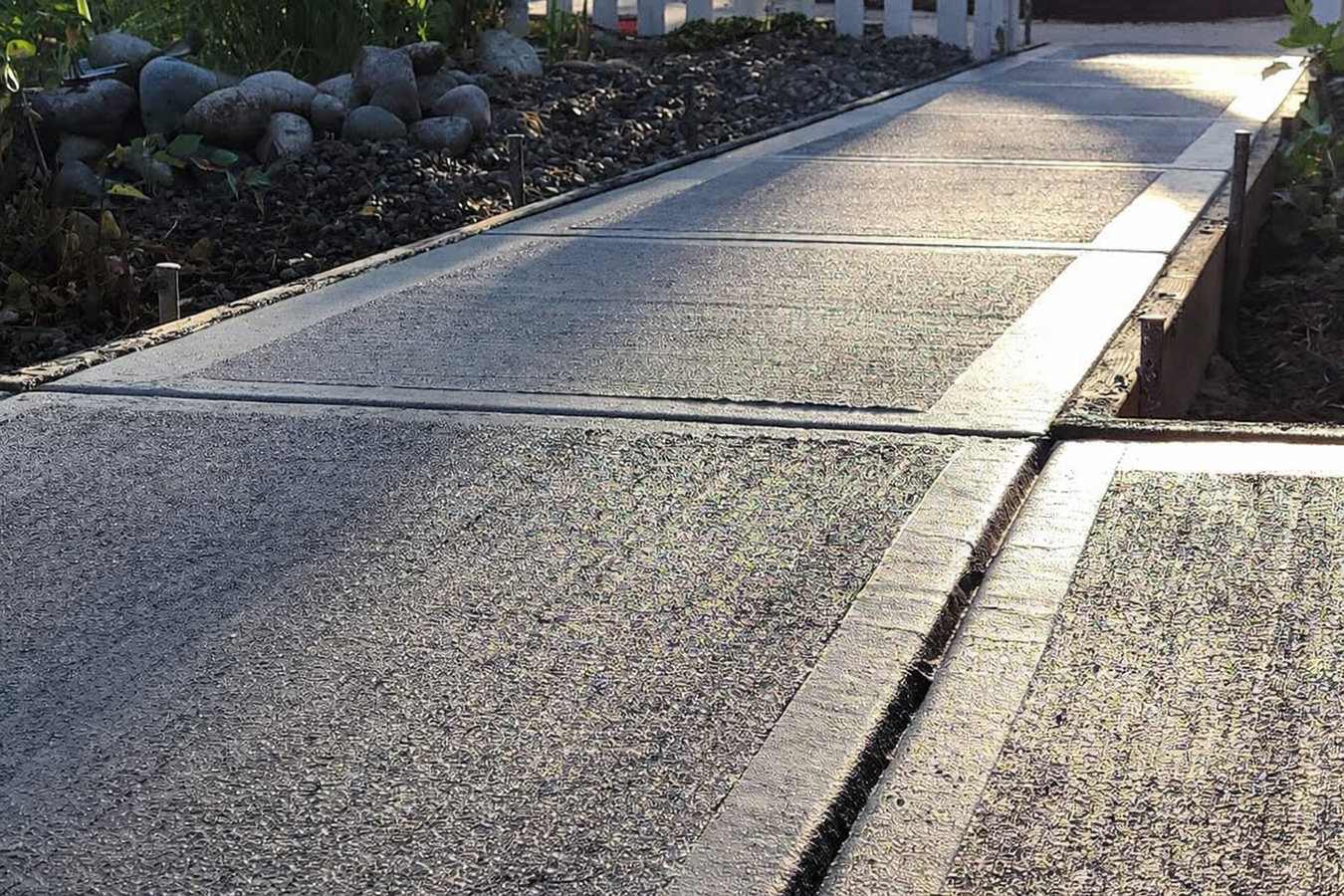
A cracked, lifted, or uneven sidewalk is more than an eyesore - it is a tripping hazard and a liability. We build concrete sidewalks in San Rafael that are prepared for local soil conditions, properly permitted, and finished to stay safe in wet weather.
Concrete sidewalk building in San Rafael involves removing the existing surface, preparing a compacted gravel base suited to Marin County clay soils, and pouring fresh concrete finished with a textured surface - most residential projects take one to three days of active work.
San Rafael's older neighborhoods - Terra Linda, Gerstle Park, Dominican, and the Canal area - are full of sidewalks that were poured in the 1950s and 1960s and are now cracked, heaved by tree roots, or simply at the end of their useful life. Whether you are dealing with a tripping hazard on your front path or a driveway apron that has seen better days, a new concrete sidewalk fixes the problem at the source rather than patching over it.
If your project includes a new front entry approach, it often makes sense to consider a concrete driveway build at the same time to keep the work consistent and reduce the cost of mobilization.
Small surface cracks can be patched and will hold for a few years. But when sections have shifted, edges are crumbling, or a tree root has lifted the slab, patching is a short-term fix that delays the same conversation. Replacement addresses the base failure or root conflict that caused the problem, not just what you can see on the surface.
If one panel sits noticeably higher or lower than the one next to it, that is a tripping hazard. In San Rafael, it is often caused by a tree root pushing up from below. This kind of unevenness does not fix itself and tends to get worse each year as the root keeps growing.
Hairline cracks are normal in aging concrete, but cracks wide enough to catch a shoe heel or let weeds grow through mean the slab has shifted or the base has failed. In San Rafael's clay soil, this often happens after a wet winter followed by a dry summer when the ground swells and then contracts.
A well-built sidewalk slopes slightly so water runs off. Standing water after rain means the surface has settled unevenly or was never graded correctly. Pooling water speeds up surface wear and can make the path slippery and unsafe in San Rafael's rainy season.
When the edges of a concrete slab start chipping and crumbling, the concrete has either reached the end of its useful life or was mixed too thin when poured. Patching crumbled edges is a temporary fix - if more than a few inches are affected, replacement is the more cost-effective path.
San Rafael Concrete handles the full sidewalk project from demolition and hauling to forming, pouring, and finishing. Most residential jobs include removing the old concrete slab, compacting the subgrade, laying a gravel base, and pouring a fresh slab with control joints and a broom-textured finish that provides grip in wet weather.
When tree roots are involved - and in San Rafael's established neighborhoods they often are - we assess the root situation before cutting anything. Simply removing roots can damage or kill a protected street tree, which creates a separate issue with the city. We walk you through your options: root barriers, alternate path routing, or a design that works around the root system rather than through it. Our work near concrete steps construction at entry areas often intersects with sidewalk projects, and we frequently handle both at the same time to keep transitions consistent.
Finishing options affect both appearance and safety. A standard broom finish is the most cost-effective and provides reliable grip underfoot. Exposed aggregate and stamped patterns cost more but can match the look of an older home or a neighborhood with particular aesthetic standards. If design flexibility is a priority, ask about options when we visit your property.
For homeowners planning a broader front-of-house project, concrete driveway building and sidewalk work are regularly scheduled together - the base preparation and permit process overlap, which can reduce the overall project timeline and cost.
Every project includes permit handling through the City of San Rafael. We apply for the required permits, schedule the city inspection, and manage that process entirely. You do not need to visit any permit office yourself.
Full build on bare ground, including base prep, forming, pour, and finish.
Demolition of failing slab, hauling, and full new installation in its place.
Front-of-home paths connecting the street, driveway, and entry - often combined with steps.
The section where your driveway meets the street, built to handle vehicle weight.
Broom finish, exposed aggregate, or stamped patterns for homes with design requirements.
San Rafael sits on clay-heavy soil that expands when it absorbs water during the wet season and then contracts as it dries out in summer. This seasonal movement is the single biggest reason concrete sidewalks crack and shift in this area. A contractor who skips the compacted gravel base or does not properly prepare the subgrade is setting your sidewalk up to fail within a few years.
The city's older residential neighborhoods - including Terra Linda, Gerstle Park, and Dominican - are full of mature trees planted close to sidewalks decades ago. Tree root conflicts are one of the most common complications we encounter, and they require a careful approach that considers both the structural problem and the health of the tree. Simply cutting roots without a plan can harm a protected street tree and create a separate enforcement issue with the city.
San Rafael's rainy season - roughly November through April - affects scheduling. We cannot pour on rain-soaked ground, and concrete cures best in dry, moderate temperatures. Most of our sidewalk work runs from late spring through early fall. Homeowners in Novato and throughout San Rafael who reach out in late winter tend to get their first choice of schedule for the dry season.
The City of San Rafael's Public Works department oversees work in the public right-of-way, which includes the sidewalk strip between most residential properties and the street. Permits are required for this work, and the city inspector must sign off before the job is considered complete. We manage that process for you from start to finish.
Call or submit the form and we respond within 1 business day. Tell us the approximate length of the path, whether there are trees nearby, and what the existing surface looks like.
We come out to look at the area, check the soil, assess any tree root involvement, and give you a written quote covering demolition, hauling, the permit, and the pour. No surprises on the final invoice.
If your sidewalk touches the public right-of-way strip - most do - we apply for the permit. This typically takes a few days to two weeks. We handle the application and confirmation entirely.
Old concrete is removed and hauled. The crew preps the base, sets forms, pours and finishes the slab, and covers it to cure. Once it sets, the city inspector signs off and the site is cleaned up.
We respond within 1 business day. There is no obligation after your estimate. Submit the form and someone from our office will call to schedule a free on-site visit where we assess the area, check for root conflicts, and give you a clear written quote.
(628) 234-2248Cutting roots without understanding what you are dealing with can harm or kill a protected street tree, which creates a separate issue with the city. We evaluate the root situation during our site visit and walk you through options that protect both your sidewalk and the tree.
The clay soil in much of San Rafael shifts seasonally, and shortcuts on base preparation are the main reason sidewalks fail within a few years of installation. We dig out the area to the right depth, compact the subgrade, and lay a gravel base on every project - not as an upgrade, but as standard practice.
Work in the San Rafael public right-of-way requires a permit and a city inspection. We handle the application and scheduling for every project. Unpermitted work in the right-of-way can create complications when you sell - fully permitted work protects your investment. See requirements at the{' '} City of San Rafael Public Works.
We have built sidewalks for homeowners across 12 cities in the North Bay since 2022. Every written estimate includes demolition, hauling, permit fees, and the pour itself - there is no line item that appears after work begins. The quote we give you after the site visit is the number you pay.
Before hiring any contractor for sidewalk work, take two minutes to verify their license on the California Contractors State License Board website. A licensed contractor carries the insurance that protects your property if something goes wrong. The International Society of Arboriculture also provides guidance on tree root management near hardscaping if you want to understand your options before any contractor visit.
Full driveway pours often scheduled alongside sidewalk work to consolidate base prep and permit handling into one project.
Learn moreEntry steps and front stair builds that tie into sidewalk and path projects for a consistent finished look.
Learn moreSpring and early summer booking fills fast - reach out now so your project is in the schedule before the dry season gets fully booked.